January 20th, 2010 by Peggy Polaneczky, M.D. in Better Health Network, Health Policy
1 Comment »

 A study published in this week’s Archives of Internal Medicine looked at so-called errors made in consultation code billing by specialists seeing patients at the request of a primary care practice in suburban Chicago. The methodology? Comparing the primary care office referral form with the specialist’s bill.
The author concludes that specialists are greatly overusing consultation codes in situations where a new patient visit would be more appropriate, to the tune of over half a billion dollars a year in Medicare payments, and suggests that it is time to reconsider the use of these codes. (Medicare, of course, has already come to the same conclusion, and beginning January 1 of this year, is no longer paying for consultation codes.)
There may be misuse of consultation codes going on, but this study does not necessarily prove that. The methodology does not include medical record review, the standard by which coding choices are verified or refuted, and relies entirely on the referring physician’s determination of what the specialist should be billing. Read more »
*This blog post was originally published at The Blog that Ate Manhattan*
January 9th, 2010 by Peggy Polaneczky, M.D. in Better Health Network, Opinion
1 Comment »
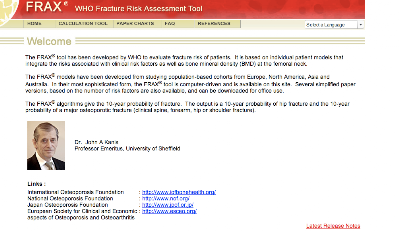
This post is in response to Jane Brody’s recent NY Times article on the FRAX fracture risk calculator. FRAX is a clinical decision tool devised by the World Health Organization that allows physicians to account for the myriad of risk factors, including bone density, to determine a patient’s risk for osteoporotic fracture.
Now about 20 years into the practice of medicine, I have evolved from what they call an “early adopter” of new drugs, through a time of cautious use of new drugs, to what I am now – highly skeptical of most new medications and suspicious of Big Pharma, medical thought leaders and anyone else trying to “educate” me about a disease. I am also disappointed in my medical societies for failing to cut the ties between themselves and industry, but hopeful that we are slowly but finally starting to emerge from of an era of industry-dominated health care and into a time of patient-centered medicine. Read more »
*This blog post was originally published at The Blog that Ate Manhattan*
January 2nd, 2010 by Peggy Polaneczky, M.D. in Better Health Network, Health Tips, Research
No Comments »
 Unless you’ve been living on another planet, you know that in mid-November, the US Preventive Services Task Force released new recommendations on screening mammography, in which they recommended against routine mammogram screening in women under age 50, and recommended that mammograms now be every two years in women ages 50-74.
What you may not have heard is that the Task Force has acknowledged that the mammogram guidelines were poorly worded, and have revised their original statement to clarify their intentions, mostly by removing those two little words “recommends against”. Read more »
*This blog post was originally published at The Blog that Ate Manhattan*
November 21st, 2009 by Peggy Polaneczky, M.D. in Better Health Network, Opinion
No Comments »
In yet another article addressing the war on cancer, The New York Times today tackles cancer prevention, focusing on alternative and mainstream Pharma products marketed to reduce the risk for cancer.
While author Gina Kolata seems to have done her homework when it comes to the failure of alternative medicine to prevent cancer, she has missed the story completely when it comes to telling why the medical profession and patients may have failed to embrace Big Pharma’s push to use their drugs to prevent breast and prostate cancer. Of course, that’s not surprising since almost exclusively, the experts she interviewed were those who conducted the clinical trials of these drugs. Read more »
*This blog post was originally published at The Blog that Ate Manhattan*