
March 18th, 2014 by Dr. Val Jones in Announcements, Health Tips
Tags: #DoctorFinder, Best Doctors, Doctor Finder, Doximity, eDocAmerica, Healthgrades.com, How To Find A Good Doctor, Twitter, Twitter Chat, Twitterview, US News And World Report, Vitals.com
No Comments »
 I’m excited to announce that US News and World Report has invited me and some other social-media savvy physicians to participate in a live Twitter chat about how to find a good doctor. The chat will be held on Thursday, March 20th at 2pm EST. You can join the conversation by following the #DoctorFinder hashtag or take the pre-chat poll here.
Most people, including physicians, rely on personal references to find a good doctor. But what do you do when you’re far from home, or you don’t know anyone with firsthand knowledge of local doctors? My parents recently asked me to recommend a physician for them in a state where I knew none of my colleagues personally. This is the 10-step process that I used to help them navigate their way to an excellent specialist – I hope it helps others you find the right doctor as well!
1. Determine what kind of doctor you need. You’d be surprised how many different specialists treat the same symptom – depending on its underlying cause. Take “back pain” for example – should you see a primary care physician, an orthopedist, a neurosurgeon, an anesthesiologist, a rheumatologist, or a rehab specialist to evaluate your symptoms? That depends on the cause of the pain, which might not yet be evident to you. The first step to finding a good physician is to figure out which type is best suited to your potential diagnosis. Bouncing from specialist to specialist can be costly, so if you’re not sure which kind of physician specializes in treating your disease or condition (or if you haven’t been diagnosed yet), start with a primary care physician first.
If you’d like to ask an online physician about your symptoms (or find out which specialist would be the most appropriate for you or your loved one), eDocAmerica.com is my favorite online physician consultant service (note that I answer questions for them.)
2. Compile a list of all the doctors (of the specialty you need) in your area. This list can be generated by your insurance carrier or by an online search of doctor-finder databases such as Healthgrades.com, Vitals.com, or US News & World Report’s Doctor Finder directory.
3. Narrow online choices by your preferences (available via Healthgrades.com or Vitals.com databases.) Check out the doctors’:
Hospital affiliation(s)
Office location(s)
Educational background
Specialty interests
Languages spoken
Years in practice
Gender
Types of insurance accepted
Review CV if available (often on affiliated hospital website)
Check out patient reviews (take them with a grain of salt in case they are skewed by an unfairly disgruntled patient)
Make sure they’re accepting new patients
4. Do an online “background check” of your top choices.
5. Make an appointment – consider the following qualities in a good physician experience:
- The team: courteousness of scheduling staff, professionalism of nurses, PA’s, techs, etc.
- Facilities – cleanliness, comfort
- Medical records/communication – how will they provide you your data? EMR? Email?
- Timeliness/convenience
6. Come prepared
- Bring your list of medications
- Bring a list of your medical and surgical history/conditions
- Bring a list of your allergies
- Bring contact information for your other physicians/providers
- Bring your insurance information
7. Ask the right questions
- How many procedures (like the one I’ll need) have you performed previously?
- What are the risks/benefits of the procedure? Alternatives?
- What should I read to learn more about this?
- If unsure of diagnosis: What else could this be?
- Are there other medicines that are less expensive that we could substitute?
8. Go with your gut
- Did the doctor explain everything clearly?
- Did the doctor seem to care about you?
- Do you trust your doctor to be thorough with follow up?
- Do you like your doctor?
9. Get a second opinion
- If the doctor did not meet your expectations in any significant way, find another one
- If you want to be sure that you’re on the best path, get a second opinion from one of his/her peers or do it online: eDocAmerica (for generalist questions), Best Doctors (to be matched with top national specialists)
10. Reward good doctors with good online recommendations so others can benefit. Physician ratings are only as reliable as the reviewers. Help other patients locate good doctors by promoting those who deserve it.
February 13th, 2014 by Dr. Val Jones in Health Tips
Tags: Children, CHPA, Enough Sleep, Healthy Sleep, How To Get My Kids To Sleep, Insomnia, kids, OTCSafety.org, Pediatrics, Sleep, Sleep Diary, Tips
3 Comments »
 Thanks to support from OTCSafety.org, I’ve created a series of health tips for common medical concerns. This week’s article is about how to diagnose and treat sleep difficulties in children and adolescents. There are many possible causes of insomnia, which include everything from emotional distress to bad dreams, breathing problems, stomach pains, medical conditions or behavioral problems.
In my article I discuss how you can work with a healthcare professional to determine the cause of your child’s sleep difficulties (this includes details on how to keep a sleep diary). I offer instructive do’s and don’ts to promote healthy sleep, and offer examples of symptoms that may require medical intervention.
For the full article, please click here. I promise it won’t put you to sleep! 😉
February 10th, 2014 by admin in Health Tips, News, Quackery Exposed
Tags: Cheerios, Cholesterol, Claims, Corn Starch, Diet, General Mills, GMO, Oat Bran, Oats, Sugar, Tripotassium Phosphate
6 Comments »
 Make no mistake about it. General Mills’ introduction of Cheerios sporting the label “Not Made With Genetically Modified Ingredients” is a mere marketing ploy and has nothing to do with health or nutrition. Let’s start the dissection of this blatant attempt to capitalize on the anti-GMO paranoia by looking at the main ingredient in Cheerios, namely oats. Samuel Johnson, the 18th century writer who compiled the first authoritative dictionary of the English language whimsically defined oats as the grain “eaten by people in Scotland, but fit only for horses in England.” A clever Scot supposedly retorted “that’s why England has such good horses, and Scotland has such fine men!”
Modern science, as it turns out, supports the ancient Scotch penchant for oats. A form of soluble fiber in the grain known as beta glucan has been shown to reduce levels of cholesterol in the blood which in turn is expected to reduce the risk of heart disease. You couldn’t tell this by the Scottish experience, though. Scotland has one of the highest rates of heart disease in the world. It seems all that haggis, refined carbs and a lack of veggies is too great a challenge for Scotch oats to cope with. Actually you need at least 3 grams of beta glucan daily to have any effect on blood cholesterol and that translates to roughly a cup of cooked oat bran or a cup and a half of oatmeal. Or about three servings of Cheerios. And that makes the cholesterol lowering claims prominently featured on the Cheerios box ring pretty hollow. There are far better ways to reduce cholesterol than gorging on Cheerios.
At least, though, the cholesterol lowering claim has some scientific merit. The “no GMO” claim has none. To start with, there are no genetically modified oats grown anywhere, at least not in the current sense of the term which refers to the splicing of specific foreign genes into the DNA of a seed. Such “recombinant DNA technology: is generally used to confer resistance to herbicides or protection from insects, but resistance to drought and enhancement with nutrients hold great potential. Although it is this new-fangled technology that garners attention these days, the fact is that virtually everything we eat has been genetically modified in some fashion over the years, either by traditional crossbreeding or through the use of chemicals or radiation both of which can scramble the genetic material in crops. The latter processes are based on the hope that a useful mutation will occur by chance, but basically it comes down to a roll of the dice. Just do enough experiments and a valuable mutant may surface. Radiation breeding has produced many varieties of rice, wheat, peanuts and bananas that are now widely grown. If you are eating red grapefruit, or sipping premium Scotch whisky made from barley, you are enjoying the products of this technology.
So if “genetically modified” oats do not exist, what sort of monsters is General Mills protecting us from? As is the case with any commercial cereal, Cheerios contains a number of ingredients with nutritious whole grain oats at the top of the list. Next come modified corn starch and sugar. It is to these two ingredients that General Mills refers when it talks about “GMO-free.” Much of the corn and some of the sugar beets grown in North America are genetically modified to resist herbicides and ward off insects. But by the time the highly processed starch and sugar extracted from these plants reach the food supply, they retain no vestige of any genetic modification. There is no way to distinguish the starch or sugar derived from genetically modified plants from the conventional varieties. The GMO-free Cheerios will not differ in any way from the currently marketed version except that the price may eventually reflect the greater cost of sourcing ingredients from plants that do not benefit from recombinant DNA technology.
The reason for the addition of sugar to Cheerios, actually in small doses compared with other cereals, is obvious. But why is corn starch added, and why is it modified? Nobody likes soggy cereal, and a thin layer of modified starch sprayed onto the little “O”s helps keep the interior dry. The modification in this case has nothing to do with genetic modification. Starch is a mixture of essentially two “polymers,” or giant molecules, both composed of units of glucose joined together. In amylose, the glucose units form a straight chain, while in amylopectin, the main glucose strand features many branches of shorter glucose chains. The properties of any starch depend on the relative proportion of amylose and amylopectin as well as on the degree of branching.
Starch has many uses in the food industry. It can thicken sauces, prevent French dressing from separating, substitute for fat or keep cereals dry. But these uses require starches of specific composition, either in terms of the length of the glucose chains or the degree of branching. In other words, the native starch has to be “modified” by treatment with acids, enzymes or oxidizing agents. There is no safety issue here, modified starches are approved food additives. Of course that doesn’t prevent scientifically illiterate alarmists from scaring the public by blathering on about modified starch being used as wallpaper glue and insinuating that any food made with it will literally stick to our ribs. The modified starch used in glue, namely a “carboxymethylated” version, is not the same as used in food, but even if it were, so what? Just because water can be used to clean garage floors and is found in tumours doesn’t mean we can’t drink it. Talking about washing garage floors, Cheerios also contains tripotassium phosphate, a powerful cleaning agent. It is added in small amounts to adjust the acidity of the mix used to formulate the cereal. This too has raised the ire of some ill-informed activists who do not realize that we consume all sorts of naturally occurring phosphates regularly in our diet. Quacking about the dangers of tripotassium phosphate in Cheerios makes about as much sense as hyping Cheerios that are “Not Made With Genetically Modified Ingredients.”
***
Joe Schwarcz, Ph.D., is the Director of McGill University’s Office for Science and Society and teaches a variety of courses in McGill’s Chemistry Department and in the Faculty of Medicine with emphasis on health issues, including aspects of “Alternative Medicine”. He is well known for his informative and entertaining public lectures on topics ranging from the chemistry of love to the science of aging. Using stage magic to make scientific points is one of his specialties.
January 6th, 2014 by Dr. Val Jones in Health Tips, Opinion, Research
Tags: Annals Of Internal Medicine, Diabetes, Fish, Jordi Salas-Salvado, Mediterranean Diet, Olive Oil, Vegetables, Weight Loss
No Comments »
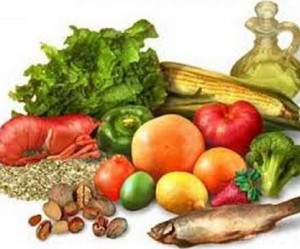 We’ve known for quite some time that weight loss can reduce the risk of developing insulin resistance and type 2 diabetes. However, a healthy diet alone (without weight loss) may also help to reduce risk. In a recent Spanish study (published in the Annals of Internal Medicine), 3,541 men and women ages 55-80 at risk for diabetes were followed for an average of 4.1 years. Those who ate a diet rich in fish, whole grains, fruits, vegetables, and olive oil were less likely to develop diabetes than those following other diets of similar caloric value.
This is interesting for a few reasons. First of all, it provides us with insight into the importance of what we eat (and not just how much we eat) for optimum health. When considering how to follow a Mediterranean diet, I think it might be easiest to focus on what is NOT on the menu, rather than what we need to add to our diet. Notice that the Mediterranean diet has very low sugar, refined carbohydrates, processed foods and animal fat (with the exception of fish oil). This is not a low carb or low fat diet. It is a low glycemic-index and unprocessed food diet.
Secondly, calorie-restriction alone may not be the optimal way to reduce the risk of developing type 2 diabetes. In the past we have focused primarily on fat loss for diabetes prevention – through calorie restriction and exercise. We’ve often heard that “a calorie is a calorie” and that folks can lose weight effectively on a low-carb, low-fat, or high protein diet. While it’s true that studies have been equivocal regarding the most effective type of diet for weight loss, and people have been able to lose weight on everything from a bacon and grapefruit to a cookie diet, a deeper look suggests that certain diets really are healthier for us in the long run.
Thirdly, what we eat can have a profound effect on our health, and food is an easily modifiable risk factor for illness. Unlike many diseases and conditions (such as type 1 diabetes and other autoimmune disorders) where we have little to no control over whether or not we contract them, it is exciting to know that a healthy diet is a powerful weapon against disease that does not rely on pharmaceutical products or medical interventions.
And finally, I found this study interesting because it confirms what I have noticed in my own life recently – that cutting out refined carbohydrates and sugars can have a very positive effect on body composition and overall health. I have always had a very difficult time with hunger during calorie restriction, and I finally realized that it had to do with being sensitive to blood sugar spikes and drops from too many refined carbs. Once I cut out all added sugars and white flours from my diet (replacing them with lean protein and whole grains) my chronic hunger resolved and I could settle in to a comfortable relationship with food without constantly battling the scale.
If you haven’t tried the Mediterranean diet, there’s no time like the present. While evidence suggests you’ll be healthier for it, my experience tells me you’ll feel a whole lot better too. Say goodbye to the food craving and hunger cycle, and hello to a new way of healthy eating that can be comfortably maintained for a lifetime.
December 12th, 2013 by Dr. Val Jones in Health Tips
Tags: 2013, Affordable Food, Boys And Girls Clubs, Cheap, Fit Family Challenge, Greek Yogurt, Groceries, Healthy, Hummus, kids, Lean Protein, Meal Ideas, Mediterranean Diet, Nuts, Organic Foods, Quick Meals, Seeds, Snacks, Supplements, Tips, Vegetables, Vitamins
1 Comment »
 I’m very excited to be the nutrition coach for the Boys & Girls Clubs’ Fit Family Challenge again this year. In surveying the finalist families, I discovered that the two most important nutrition issues on their minds were cooking speed and food affordability. Far down the list were things like food allergies, weight loss, and nutrition basics.
Contrary to popular belief, healthy eating doesn’t have to be expensive. A new study showed that a healthful diet only costs an average of $1.50/day more than an unhealthy diet, and the additional cost is mostly related to the expense of leaner protein sources. So with a little bit of shopping savvy, you can change your family’s nutrition without breaking the bank.
Since busy moms and dads are always looking for ways to provide fast, nutritious meals for their children, I thought I’d provide some tips for doing so on a budget. These are strategies that I also use when I’m traveling across the country, working long hours at hospitals with only a microwave and small refrigerator available, and very little time for meal prep. If your day is frantic, and you don’t have much time to cook, then these tips are for you! (I’m not saying we’re going to win any culinary awards for these meals, but they are very practical. Please use your own favorite herbs and spices for flavor. I have added links throughout this post to show you examples of products I’ve used and like – but there are many other good ones out there!) 😀
1. Tupperware. Make sure you have lots of plastic storage containers (Tupperware or other brand) and baggies in various sizes. You can reuse the containers and portion out food into single serving sizes in advance. Don’t worry about finding containers that are “BPA-free” – they may cost more and fifty+ years of scientific studies (reviewed by the U.S. Food and Drug Administration) have determined that they are safe for microwave use and food storage.
2. Prepare meals ahead of time. Set aside one day a week where you will fill containers and baggies with single serving sizes of 1) protein, 2) fruits/veggies, 3) nuts/fats, and 4) complex carbohydrates. Each meal should include one of each. Snacks can contain two or three of the four groups. Each family member can quickly grab portions for their meals, lunch boxes, or snacks, and you can make up plates for dinner by reheating them in the microwave.
3. Fast protein. Pre-cooked, grilled chicken or turkey strips can be found in the refrigerated or frozen section of your local discount store. Four ounces of grilled chicken is a good serving size, and make sure you choose the chicken without sauce or chemical flavorings as your healthiest option. One serving takes about a minute to reheat in the microwave. Other great sources of protein include plain Greek yogurt (a serving is 1 cup), protein powder (whey, egg, or vegan sources), pre-packed hard-boiled eggs, canned tuna or fish in water, smoked salmon, and low-fat cheese sticks.
If you have a stove and 4-8 minutes to spare, quick-fry pork chops, lean beef, fish fillets, or egg beaters (plain, liquid egg whites in a carton are even better) with low-fat shredded cheese with a few chopped veggies can make a great omelet that’s fast and affordable.
You can make egg whites in a microwave (spray a microwave container with a little bit of pure olive oil cooking spray) and cook for one and a half minutes per serving. Top with salt, pepper, cheese, and maybe a little ketchup if you like that. Super fast, super healthy.
In a pinch, beef, pork, and natural turkey jerkies are very portable protein sources. However, they can be expensive, and you must look for the all natural varieties (not the jerky full of salt and chemicals at various truck stops across the country).
4. Fast fruits & veggies. Fruits are pretty easy because you can chop them up or peel them quickly, but if you don’t want to chop them too far in advance, pre-made fruit cups are a little more expensive, but very convenient. Make sure you choose the fruit that is packed in its own juice, not syrup.
As far as veggies are concerned, some can be enjoyed raw (celery, carrot sticks, lettuce, tomatoes etc.) but others need cooking. The fastest way to cook most fresh veggies is to steam them in a microwave. Stores now pack veggies (such as green beans, broccoli, and snow peas for example) in “steam-in bags” where you can just puncture the bag with a fork and then microwave the veggies for a couple of minutes. If you’re buying veggies in bulk, you can purchase “Zip n’ Steam” bags and use those instead. I’ve used these bags for everything from butternut squash to corn on the cob. They lock in all the vitamins and minerals that you may loose in a boiling or canning process.
Otherwise, frozen veggies are very convenient and are pre-chopped. Canned vegetables are also rich in vitamins (though they tend to lose the water soluble A&B vitamins so you’ll need to get those from your fruits or a squeeze of lemon in your water) and very easy to heat and are affordable.
5. Fast fat. Mostly, what I mean by healthy fats is nuts, seeds, and vegetable oils (especially olive). Fats are rarely cost-prohibitive and it doesn’t take much to “prepare” them. Healthier nuts and nut butters are plain (no sugar or salt added). Avoid candy-coated nuts, sugary spreads, or trail mixes that have “yogurt-covered” anything or chocolate added. Go easy on the dried fruit as it is a simple sugar. Cook with olive oil or olive oil spray when you can. Limit your animal fat intake (butter, high-fat cheese, lard, bacon) as it is not as healthy for you as vegetable sources.
6. Fast complex carbohydrates. I’m a big fan of brown rice. It’s very inexpensive and reheats well with a little moisture in the microwave. You can purchase the rice dry (this is the most affordable way, but you’ll need to cook up a big batch once a week), or pre-cooked in microwavable bags or containers. Brown rice grits, corn grits, cream of wheat, and oats all make quick, microwavable portions of carbs. Whole grain tortillas take 15 seconds to heat in the microwave and can be used as a wrap or side-dish. Whole grain breads, sugar-free whole wheat cereal, canned beans, hummus, and sweet potatoes (not in syrup) are all fast and affordable.
7. Drink water. It’s free, it’s everywhere, it has no calories. Water is the healthiest fluid source available, so make use of it. To save money, you can re-use plastic water bottles by refilling them with tap water. If your tap water doesn’t taste great, a squirt of fresh lemon or lime juice (along with keeping it colder) should solve the problem. Sugary sodas, juices, and energy drinks should be limited. Club soda, sparkling water, or diet sodas are a better choice if you are craving carbonation. Skim milk, almond, rice, or soy milk are healthy options as well.
8. Buy in bulk. So now that we have broken down the healthy, affordable diet into its four components and fluids – it’s time to stock up! Buying large quantities of your favorite non-perishable items can save money. Consider cost-sharing with another family, coupon-clipping, and price-shopping. Some items that you normally don’t think of as frozen goods actually store very well in the freezer – bread, tortillas, nuts, and bananas for example can last for months in the freezer. For a review of the best grocery items to buy in bulk, see this slide show.
9. Skip the organic food. Organic products are very expensive and do not provide a significant nutritional advantage over regular foods. You may wish to buy organic food to support your local farmers or because the items are fresher-looking or their packaged goods may have fewer preservatives or added ingredients, but don’t spend your last penny on organic foods because you think it’s the only way to keep your kids well-nourished. As far as reducing your potential exposure to pesticides, organic foods may reduce pesticide exposure by 30%, not exactly the “pesticide-free” level that some would lead you to believe. Most experts (including the FDA) agree that the amount of potential pesticide residue found on fresh fruit and vegetables is too low to pose a significant risk human health. Washing fresh produce with soap and water, or removing the skin, can further reduce levels if you have concerns.
10. Don’t waste money on vitamins and supplements. Although it seems like a good idea to provide your children with extra vitamins in pill-form, the majority of U.S. children and adults (according to large CDC nutrition studies) are not deficient in any vitamin or mineral. Our fortified food sources, even with sub-optimal diets, are doing a surprisingly good job of getting us all the nutrition we need. If your doctor has determined that you or a family member has a nutritional deficiency, then please follow their advice regarding supplementation. As for herbal supplements, be very careful of those since recent studies have shown that they often don’t contain the active ingredients on their labels and may even contain harmful allergens instead.
There are probably many other terrific ideas that you’ve discovered on the path to feeding your family quickly and affordably. Please share them on the blog so we can expand our creative meal planning together! I’ll be thinking of the Fit Family finalists as I enjoy my brown rice and green pepper chicken fajitas in my hospital microwave this week!












