October 28th, 2011 by Dr. Val Jones in Health Tips
2 Comments »
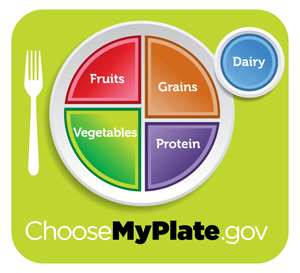 As I’ve been coaching the families in the Boys & Girls Clubs’ Triple Play Fit Family Challenge I’ve received some excellent questions about how to modify food preparation to make meals more healthful. I thought I’d share some of my nutrition tips on my blog – and feel free to chime in as well in the comments section! (Please note that I have no relationship with the manufacturers of the products I mention below. I happen to like and use them, but I’m sure there are many others that are good.) Here’s what I told one of the families:
At first it’s hard to make the switch to “healthy” cooking because let’s face it, fat and sugar taste so good. However, there are ways to substitute healthier choices that are delicious too. And over the long haul, you can actually change your taste buds so that they LIKE lower-fat options. It seems unbelievable, but honestly – I have learned to prefer sugar-free peanut butter, whole grain bread, and skinless chicken to the regular stuff. One thing I will say, though, is that as long as no one has any high blood pressure or kidney problems – salt is ok. I think too much has been made about the “dangers” of salt. Healthy bodies can easily get rid of extra salt… so no need to torture yourself with a low salt diet. If you cut out junk food and fast food, your salt intake will likely fall to healthy levels. 😉
Here are general tips for healthy eating:
Read more »
October 26th, 2011 by AndrewSchorr in Opinion
No Comments »

 The new book is out about Steve Jobs. You may have already heard that he regretted delaying surgery for months for a type of pancreatic cancer and explored alternatives, including dietary changes. He told his biographer he later came to the conclusion that it was the wrong personal health decision.
If you check out social media conversations about health, the value of dietary changes is always a hot topic. Can becoming a vegetarian, for example, arrest the development of cancer or prevent its recurrence?
This week I will participate in a webinar on social media and breast cancer. One other panelists helps run a patient advocacy group. The other is a respected nurse who helps run the breast center at Johns Hopkins. In a preliminary discussion they each noted that Read more »
*This blog post was originally published at Andrew's Blog*
October 20th, 2011 by Lucy Hornstein, M.D. in Opinion, Research
No Comments »

Hallelujah. At last there is an actual, published paper (full text behind subscription firewall, unfortunately) objectively documenting not only a lack of longevity benefit for several commonly consumed dietary supplements, but a numerical association indicating potential harm. Finally!
Investigators looked at nearly 39,000 women (in scientific terms: a lot) over 19 years of follow up (in scientific terms: a long time) and found increased risk of death in women who took supplemental iron (strongest association), copper, zinc, magnesium, Vitamin B6, and multi-vitamins.
Wow.
If nothing else, that should at least give one pause when considering whether or not to take supplements at all, especially in the demographic studied (the “older female”). But are they overstating their case? Scare-mongering? Not at all. In fact, the following caution was explicitly added by the researchers: Read more »
*This blog post was originally published at Musings of a Dinosaur*
October 19th, 2011 by Steve Novella, M.D. in Health Tips, Research
1 Comment »

The discovery of various vitamins – essential micronutrients that cause disease when deficient – was one of the great advances of modern scientific medicine. This knowledge also led to several highly successful public health campaigns, such as vitamin-D supplementation to prevent rickets.
Today vitamins have a deserved reputation for being an important part of overall health. However, their reputation has gone beyond the science and taken on almost mythical proportions. Perhaps it is due to aggressive marketing from the supplement industry, perhaps recent generations have grown up being told by their parents thousands of times how important it is to take their vitamins, or eat vitamin-rich food. Culture also plays a role – Popeye eating spinach to make himself super strong is an example this pervasive message.
Regardless of the cause, the general feeling is that vitamins Read more »
*This blog post was originally published at Science-Based Medicine*
September 22nd, 2011 by Elaine Schattner, M.D. in Opinion
2 Comments »

Last week I wrote a simple post on eating yogurt with fresh fruit for lunch. It wasn’t until later that I realized why it’s a medical lesson.
It happens that yesterday morning I was up and out early. I saw a former colleague walking along the street. He’d gained weight, and walked slowly. I thought about how hard he works, and what a good doctor I know him to be. And yet any citizen or patient might size him up as heavy, maybe even unhealthy.
The problem is not that he’s uneducated or can’t afford nutritious foods. He knows fully about the health benefits of losing weight and exercise. The problem is the stress and long hours of a busy, conscientious physician’s lifestyle.
When I worked as a practicing doctor and researcher at the hospital, I rarely ate a nutritious breakfast or lunch. My morning meal, too often, consisted of Read more »
*This blog post was originally published at Medical Lessons*












