November 19th, 2010 by John Mandrola, M.D. in Better Health Network, Health Tips, News, Research
No Comments »

“Hey…where did those cupcakes go?”
Like a never-ending western North Carolina climb where each switchback reveals another uphill, and the finish is shielded by tall pines, the struggle to lose weight and to stay lean is incessant.
In wrestling weight gain, competitive cyclists share the same mat as “regular” Americans. Like jockeys, all competitive bike racers strive for maximal leanness. It’s physics: Weigh less and the same number of watts push you farther and faster, especially when going uphill or accelerating from a slow speed. Remember those velocity problems in Physics 101?
But is it conceivable that losing weight — even if accompanied by lower cholesterol levels — could be detrimental to long-term wellness? Obviously, the question answers itself.
Unless your Internet connection has been interrupted in the last few days, you have probably heard of the “Twinkle diet.” Kansas State University nutrition professor Mark Haub tested the hypothesis that if he reduced his daily calorie consumption from 2600 to 1800 he would lose weight. Read more »
*This blog post was originally published at Dr John M*
November 18th, 2010 by Berci in Better Health Network, Health Tips, News, Research
No Comments »

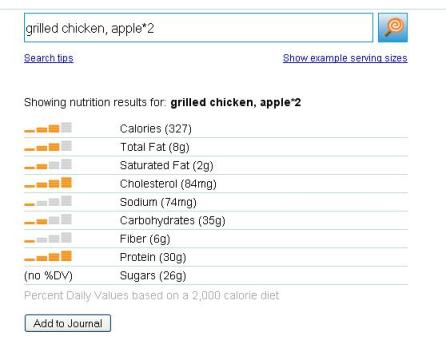
Although I can check the calorie content of any food on WolframAlpha, it’s good to have a site that focuses only on this issue:
PhotoCalorie is an application inspired by the ideas of Dr. Mark Boguski of Harvard Medical School, who realized that the current methods available to track your daily nutrient intake are monotonous and simply too complicated. As a result, people would lose interest in tracking their diet or stop the diet all together. Our mission is to create the easiest food journal on the planet to help dieters lose weight and monitor their diet with ease.

*This blog post was originally published at ScienceRoll*
October 31st, 2010 by RyanDuBosar in Better Health Network, Health Policy, Health Tips, News, Research
No Comments »

New York City’s war on sugary soft drinks had to balance evidence-based medicine with a short, simple message that would go viral in the community. Going viral won, according to e-mails of internal discussions between the city’s health commissioner, his staff, and the ad agency that crafted the campaign. The statement that soda would cause a person to gain 10 pounds a year is contingent upon many factors, argued the staff, but the desire to produce a media message with impact overruled the details. One nutritionist called the campaign “deliciously disgusting.”
Chocolate may moderate HDL cholesterol in type 2 diabetics, according to the November issue of Diabetic Medicine. High polyphenol chocolate increased HDL cholesterol in diabetics without affecting weight, insulin resistance or glycemic control. Researchers enrolled 12 type 2 diabetics in a randomized, placebo-controlled double-blind crossover study to 45 g chocolate with or without a high polyphenol content for eight weeks and then crossed over after a four-week washout period. HDL cholesterol increased with high polyphenol chocolate (1.16+/-0.08 vs. 1.26+/-0.08 mmol/l, P=0.05) with a decrease in the total cholesterol: HDL ratio (4.4+/-0.4 vs. 4.1+/-0.4 mmol/l, P=0.04). No changes were seen with the low polyphenol chocolate.
With Halloween, sugar will be on everyone’s mind (and in everyone’s stomachs). To find out how many calories and how much fat that pile of Halloween candy totals, try this interactive module. (New York Times, Diabetic Medicine, ABC Chanel 7 News-Denver)
*This blog post was originally published at ACP Internist*
September 30th, 2010 by Steve Novella, M.D. in Better Health Network, Health Tips, Opinion, Quackery Exposed, Research
3 Comments »

If you believe everything you read on the Internet, then is seems that a chemical found in thousands of products is causing an epidemic of severe neurological and systemic diseases, like multiple sclerosis and lupus. The FDA, the companies that make the product, and the “medical industrial complex” all know about the dangers of this chemical, but are hiding the truth from the public in order to protect corporate profits and avoid the pesky paper work that would accompany the truth being revealed.
The only glimmer of hope is a dedicated band of bloggers and anonymous email chain letter authors who aren’t afraid to speak the truth. Armed with the latest anecdotal evidence, unverified speculation, and scientifically implausible claims, they have been tirelessly ranting about the evils of this chemical for years. Undeterred by the countless published studies manufactured by the food cartel that show this chemical is safe, they continue to protect the public by spreading baseless fear and hysteria.
Hopefully, you don’t believe everything you read on the Internet, and you don’t get your science news from email SPAM, where the above scenario is a common theme. While there are many manifestations of this type of urban legend, I am speaking specifically about aspartame — an artificial sweetener used since the early 1980s. The notion that aspartame is unsafe has been circulating almost since it first appeared, and like rumors and misinformation have a tendency to do, fears surrounding aspartame have taken on a life of their own. Read more »
*This blog post was originally published at Science-Based Medicine*
September 24th, 2010 by BarbaraFicarraRN in Better Health Network, Health Tips, Quackery Exposed, Research
No Comments »

(Guest post submitted by MD Anderson Cancer Center)
Aisles in grocery stores and pharmacies are stacked with vitamins, minerals, herbs or other plants that you take in pill, capsule, tablet or liquid form. And, many of us buy these supplements and take them regularly, hoping to lower our chances of getting cancer and other diseases.
But do supplements really work wonders? Should you take them to help prevent cancer? Our experts say beware.
“Don’t be fooled by the label on the bottle,” says Sally Scroggs, health education manager at MD Anderson’s Cancer Prevention Center. “Researchers are still unsure about whether or not supplements actually prevent cancer.” Some studies have suggested that supplements may actually increase cancer risk by tilting the balance of nutrients in the body. Read more »
*This blog post was originally published at Health in 30*














