December 11th, 2010 by Glenn Laffel, M.D., Ph.D. in Better Health Network, News, Research
No Comments »

 Scientists know that our perceptions about taste and texture drive our food preferences. They know quite a lot about the role of taste in this regard, and the results of some recent experiments have shed new light on the role of texture as well, particularly as it relates to foods containing starch.
Starch is a major component of potatoes, rice, corn, wheat and the enormous variety of foods derived from them. It is also added to many other products from maple syrup to pudding. In fact, starch accounts for 40 to 60 percent of the calorie content in the average Western diet, and more than that in many Asian and third-world diets.
Humans begin digesting starch in the mouth, where the salivary glands secrete an enzyme known as amylase. This enzyme breaks down starch and other complex carbohydrates into simpler sugar molecules which end up being absorbed from the small intestine into the bloodstream. Read more »
*This blog post was originally published at Pizaazz*
December 4th, 2010 by Glenn Laffel, M.D., Ph.D. in Better Health Network, Health Tips, News, Research
No Comments »
 Scientists have discovered a new, highly-transmissible gene that could, quite easily in fact, open a frightening new front in the ongoing global war against superbugs.
The antibiotic-resistant gene, NDM-1, was first identified in 2008 a Swedish patient that had received hospital care in New Delhi. NDM-1 produces an enzyme that allows bacteria to destroy most antibiotics. It exists on plasmids, which are pieces of genetic material that are easily shared between bacteria including E coli and other species that can cause pneumonia, urinary tract infections, and blood stream infections.
NDM-1 probably evolved in parts of India where poor sanitation and overutilization of antibiotics provide a perfect environment for the creation of antibiotic-resistant bacteria.
The gene has been identified in three U.S. patients. All had received medical treatment in India, and all recovered from their infections. It has been found sporadically in Britain, Australia and nearly a dozen other countries as well. Most affected patients were “medical tourists” — that is, people seeking less expensive medical care in India.
“We need to be vigilant about this,” said Arjun Srinivasan, an epidemiologist at the CDC told the Washington Post. “This should not be a call to panic, but it should be a call to action. There are effective strategies we can take that will prevent the spread of these organisms.” Read more »
*This blog post was originally published at Pizaazz*
November 14th, 2010 by Davis Liu, M.D. in Better Health Network, News, Opinion, Research
No Comments »

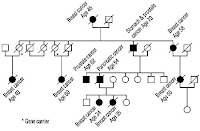 The Associated Press ran a provocatively-titled piece recently, “Family health history: ‘best kept secret’ in care”, which noted how a geneticist at the Cleveland Clinic discovered that asking about family members and their history of breast, colon, or prostate cancer was better than simply doing genetic blood testing.
Surprising? Hardly. This is what all medical students are taught. Talk to the patient. Get a detailed history and physical. Lab work and imaging studies are merely tools that can help support or refute a diagnosis. They provide a piece of the puzzle, but always must be considered in the full context of a patient. They alone do not provide the truth. Read more »
*This blog post was originally published at Saving Money and Surviving the Healthcare Crisis*
November 12th, 2010 by GruntDoc in Better Health Network, News, Research
No Comments »

From The Australian:
Stem cell researchers have found a way to turn a person’s skin into blood, a process that could be used to treat cancer and other ailments, according to a Canadian study published today.
The method uses cells from a patch of a person’s skin and transforms it into blood that is a genetic match, without using human embryonic stem cells, said the study in the journal Nature.
Wow. Very cool. I wonder if hopefully someday this could be a replacement for random blood donation?
*This blog post was originally published at GruntDoc*
November 3rd, 2010 by GarySchwitzer in Better Health Network, Health Policy, News, Opinion, Research
No Comments »

Continuing this week’s spontaneous theme (we didn’t make the claims and write the stories) of runaway enthusiasm for various screening tests by some researchers and journalists, HealthDay news service has reported on a study published in the Oct. 28 issue of the journal Nature that they say “provides new insight into the genetics of pancreatic cancer.” In the story, they let one of the researchers get away with saying, almost unchallenged:
“What’s important about this study is that it’s objective data in support of why everyone should be screened for pancreatic cancer.”
Mind you, this was a study that looked at tissue from just seven patients. The story continued with its breathless enthusiasm for the pancreatic cancer screening idea:
“In the future, new imaging techniques and blood tests will offer hope for early detection, the study noted. And just as people have a colonoscopy when they turn 50, “perhaps they should have an endoscopy of their upper gastrointestinal organs that includes an ultrasound of the pancreas,” said (the researcher).”
The very end of the story included some skepticism from Dr. Len Lichtenfeld of the American Cancer Society. Read more »
*This blog post was originally published at Gary Schwitzer's HealthNewsReview Blog*


 Scientists know that our perceptions about taste and texture drive our food preferences. They know quite a lot about the role of taste in this regard, and the results of some recent experiments have shed new light on the role of texture as well, particularly as it relates to foods containing starch.












