August 25th, 2011 by Toni Brayer, M.D. in News, Research
No Comments »

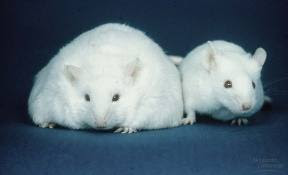 I usually choose not to write about the “new new scientific thing” that gets picked up by the press, because early research is usually not reproducible and good science takes a long time to validate as true. But since we know that mice and rats that are kept on low-calorie diets live 30% longer (and healthier) than their fat cohorts, I was interested in a new research compound, SRT-1720, that was shown to protect obese mice from diseases of obesity. Fat mice lived 44% longer if they were given this drug.
The “designer” drug works by Read more »
*This blog post was originally published at EverythingHealth*
August 25th, 2011 by Shadowfax in Research, True Stories
No Comments »

Well, this is satisfying. Over the years, in our ER we have mirrored the nationwide trend and have significantly increased the utilization of CT scans across the board. The reasons are manifold. Some cite malpractice risks, and indeed in our large group we have had one lawsuit for a pediatric head injury and another for a missed appendicitis which probably did contribute. But, in my opinion, there have been many other drivers of the increased use. For one, CTs have gotten way, way better over the last 15 years, which quite simply has made them a better diagnostic tool. They’ve also gotten way faster. As the facilities have invested in CT scanners, they have increased their capacity and increased their staffing, so the barriers to their use have rapidly diminished. I am so old that I remember when ordering a CT involved calling a radiologist and getting their approval! No more of that, I can tell you.
But a couple of years ago, we really started paying attention (perhaps belatedly) to Read more »
*This blog post was originally published at Movin' Meat*
August 24th, 2011 by Paul Auerbach, M.D. in News, Research
11 Comments »

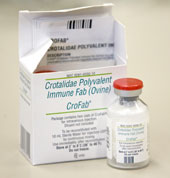 The current standard of care with regard to using antivenom for pit viper snakes (e.g., rattlesnakes, copperheads, cottonmouths) in North America is to use Crotalidae polyvalent immune Fab antivenom (CroFab;FabAV). This antivenom is created using a process that obtains antibodies “raised” by immunizing sheep and then harvesting and purifying the product. One of the major benefits of using this product is to take advantage of a lesser incidence of allergic reactions (than have traditionally been observed with previous products). It appears that the situation regarding the incidence of allergic reactions may be better than previously thought.
In the article, “Short Term Outcomes After Fab Antivenom Therapy for Severe Crotaline Snakebite,” Eric Lavonas, MD and colleagues (Ann Emerg Med 2011;57:128-137) examined Read more »
This post, Fab Antivenom Found To Cause Fewer Allergic Reactions Than Previously Thought, was originally published on
Healthine.com by Paul Auerbach, M.D..
August 24th, 2011 by John Mandrola, M.D. in Health Tips
No Comments »

It may seem a little formal to say this, but I would like to start by stating my goals for today’s post:
- Introduce the concept of the athletic heart;
- Touch upon the notion of sudden death of the athlete;
- Explain what an ECG really is, and how it may help diagnose heart disease;
- Review a recent study about the common ECG variant seen in athletes…Early repolarization.
Intro: The adaptations of the human heart never cease to amaze me. Physical training transforms our hearts into high performance engines. Repeated sessions of interval training, combined with longer aerobic efforts, and sprinkled with adequate rest maximize our ability to keep pressure on the pedals, or run the sixth mile of the 10k at the same pace as the first, or for you swimmers, to keep getting back to the wall on the 1:15 mark.
Fitness also brings measurable changes in things we can observe. Read more »
*This blog post was originally published at Dr John M*
August 24th, 2011 by admin in Health Tips
No Comments »

 It may seem rather unusual to talk about injuries and weather in the same context, but extreme weather can pose significant risks for many kinds of injury. Currently, many parts of the United States are experiencing a major heat wave, with record-setting heat and heat indices over the next few weeks. As we have seen in the recent past, deaths are occurring from heat-related and possibly from participation in outside activities that increase the risk of heat-related illness.
During the month of August, many athletes train for the fall sports season, sometimes participating in two practices a day over the course of a few weeks. While training is necessary and important for athletes to build up their stamina and to improve their performance, health consequences can be deadly if Read more »
*This blog post was originally published at CDC Injury Center: Director's View Blog*


 I usually choose not to write about the “new new scientific thing” that gets picked up by the press, because early research is usually not reproducible and good science takes a long time to validate as true. But since we know that mice and rats that are kept on low-calorie diets live 30% longer (and healthier) than their fat cohorts, I was interested in a new research compound, SRT-1720, that was shown to protect obese mice from diseases of obesity. Fat mice lived 44% longer if they were given this drug.