April 17th, 2011 by Bryan Vartabedian, M.D. in Humor, Opinion
No Comments »

 I’m sure you’ve seen them on medical blogs: Disclaimers that remind readers to call 911 in the event of emergency.
But is someone choking on a hot dog really going to dial up KevinMD or SeattleMamaDoc for help? Does anyone really believe that 33 charts is the place to deal with your acute airway obstruction when you have a just a couple of minutes to live?
Here’s my theory: I suspect that the first attorney who came up with the 911 disclaimer did so as some sort of perverse joke. And rather than seek the input of their own lawyers, all those who followed simply copied the this original language believing it to be judicious and most conservative. Now it’s the longest running gag in legal history. Read more »
*This blog post was originally published at 33 Charts*
April 16th, 2011 by RyanDuBosar in Research
No Comments »

Chronically-ill Medicare patients spent fewer days in the hospital and received more hospice care in 2007 than they did in 2003, but their intensity of care increased as well, according to a report by the Dartmouth Atlas Project.
While in the hospital less, patients had many more visits from physicians, particularly specialists, and spent more days in intensive care units, as result of growth in intensive care and specialist capacity, the researchers said.
Intensive interventions can lower a patients’ quality of life and cost more, the researchers noted. About one-fourth of all Medicare spending stems from the last year of life, and much of the growth in Medicare spending is the result of the high cost of treating chronic disease, the authors noted. Following patient preferences for end-of-life care may reduce such spending. Read more »
*This blog post was originally published at ACP Hospitalist*
April 16th, 2011 by Shadowfax in Health Tips, Opinion, Research
No Comments »

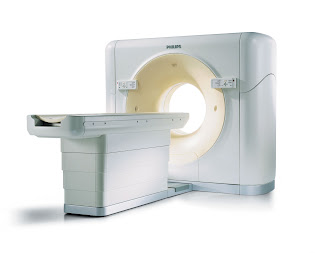
There was an interesting study published this week in the journal Radiology:
Rising Use of CT in Child Visits to the Emergency Department in the United States, 1995–2008 (Abstract)
The results are not surprising to anyone who has been working in medicine in the US over the last fifteen years. Basically, in 1995, a kid visiting the ER had a 1.2% likelihood of getting a CT scan, and by 2008, that number was 5.9%.
I had written about this general phenomon not too long ago, in defense of the general increase of CT utilization in the ER, largely on the basis that CT is a better tool: it provides diagnoses in a rapid and timely manner, and excludes many potential life threats, saving lives and mitigating malpractice risk. That was largely relevant to the adult population, though, and kids are not, as they say, just little adults. The increase in scanning children is more dramatic, especially given the generally lower incidence of disease in kids compared to adults and the chonrically ill. Read more »
*This blog post was originally published at Movin' Meat*
April 16th, 2011 by GarySchwitzer in Health Tips
No Comments »

Beyond just evaluation and constructive criticism of news stories, we want to reach out to help journalists.
We know they often struggle with reporting on the costs of treatments, tests, products and procedures. It’s reflected in the facts: after 5 years and nearly 1,500 stories reviewed, we don’t like to report that more than 70 percent of stories fail to adequately address the costs of the stuff they’re covering.
So we talked with journalists and others to assemble our first stab (and that’s all it is – a first stab) at an online list of resources to help journalists explore the costs of health care products and approaches.
There are some links to websites, names, email addresses and phone numbers.
This is just one of many primers and resources offered on our site. Here’s a screen shot of the listing of primers available in the Toolkit. Read more »
*This blog post was originally published at Gary Schwitzer's HealthNewsReview Blog*
April 16th, 2011 by KerriSparling in True Stories
1 Comment »

If there’s one thing that takes a consistent beating as a result of diabetes (other than my internal organs, of course), it would be this little guy:
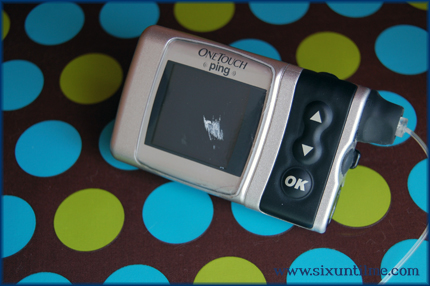
My insulin pump. This is a part of my diabetes management plan 24 hours a day, seven days a week. Very rarely do I take “pump vacations,” so for the most part, I’m connected at all times. On an average day, the pump endures sleeping in the bed with me, the baby’s wake-up routine (which includes her grabbing the pump site, regardless of where it is located), playing all day, working, cleaning the house and my body, conference calls and email blitzes, the gym, routine awkwardness, et cetera ad nauseum.
Which means that this expensive, life-changing little gadget gets battered around on a regular basis. Apparently, these things are built to be durable (to a certain extent), as I only cracked my Minimed pump once, and I haven’t injured this one irreparably yet. (Despite the months of clumsy, pre-eclampsia pregnancy hands during which I dropped everything I touched. I was like Gravity Midas.) But recently, I scuffed into the door jamb, and was left with this new, giant white scuff on the screen. Read more »
*This blog post was originally published at Six Until Me.*


 I’m sure you’ve seen them on medical blogs: Disclaimers that remind readers to call 911 in the event of emergency.