April 10th, 2010 by Medgadget in Better Health Network, Health Tips, News
No Comments »

 According to Grove Medical, disruption of “the mood” is a main barrier to condom use. With their Sensis condoms with QuikStrips, the company tries to overcome this mental handicap by offering a new condom technology to protect the passion while practicing safer sex.
The QuikStrips are little handles on the side of the condom that work much like the pull-off tabs on a bandage, creating an application that helps to apply the condom quickly in the right way.
Presumed benefits include appropriate spacing at the reservoir, no touching of the condom as it’s being applied, and less chance of accidental inside-out-then-flip contamination. Read more »
*This blog post was originally published at Medgadget*
April 10th, 2010 by RamonaBatesMD in Better Health Network, News, Opinion, True Stories
1 Comment »

Physicians aren’t exempt from the struggles with personal health insurance coverage, affordability, denied coverage, etc.
When I finished my medical training and opened my practice 20 years ago, I had to buy individual coverage. All options included a rider that excluded coverage on my uterus and ovaries due to fibroid surgery during my training, so when I had my TAH & BSO a few years later, the entire cost came out of my pocket. Fortunately I knew how to ask for cost reductions, but still.
My husband and I are both small business individuals. I have always carried our health insurance under my name (office). Over the years we have gone to a health savings account with a high deductible to keep the cost reasonable. Fortunately, we have been mostly healthy. Last month we received a letter from Assurant Health. Read more »
*This blog post was originally published at Suture for a Living*
April 10th, 2010 by Peggy Polaneczky, M.D. in Better Health Network, Health Tips, Opinion, Research, True Stories
1 Comment »

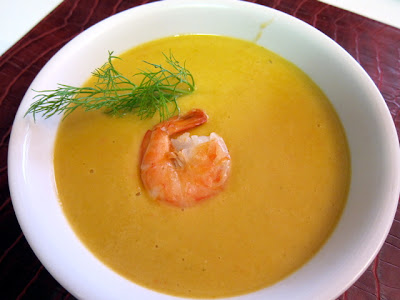 I’ve been waiting for this soup for weeks. Eleven weeks, to be exact. That’s how long I was enrolled in a research diet study, and unable to eat anything other than the food they provided me, which was nowhere near as delicious as this soup.
The study is designed to compare the effects of three different diets — the American Diet, the Mediterrnean Diet, and a high-protein diet — on weight loss and cardiovascular disease risk.
I randomized to the American Diet, meaning that Thursday’s lunch was a slice of pizza with potato chips and an afternoon snack of Oreos and chocolate pudding, Saturday’s lunch was hamburger and fries, and the most veggies I ever saw at one sitting was a measly stalk of broccoli.
Despite this, I lost 30 pounds over the 11 weeks of the study, primarily because my caloric intake was only 1,200 calories per day, carefully calculated based on my basal metabolic rate. Read more »
*This blog post was originally published at The Blog that Ate Manhattan*
April 10th, 2010 by David Kroll, Ph.D. in Better Health Network, Opinion, True Stories
No Comments »

Last July we wrote about the 40th anniversary of the Apollo 11 moon landing and spoke of Buzz Aldrin’s autobiography about his battle with alcoholism in the years following. The post drew a comment from a reader who I’ve renamed “Anon.” It read:
Thank you so much for this post.
I am a recovering drug addict and am in the process of applying to graduate programs. I have a stellar GPA, have assisted as an undergraduate TA, and have been engaged in research for over a year. I also have a felony and was homeless for 3 years.
I don’t hide my recovery from people once I know them, but I sometimes, especially at school, am privy to what people think of addicts when they don’t know one is sitting next to them. It scares me to think of how to discuss my past if asked at an admissions interview. Or whether it will keep me from someday working at a university.
I’ve seen a fair amount of posts on ScienceBlogs concerning mental health issues and academia, but this is the first I’ve seen concerning humanizing addiction and reminding us that addiction strikes a certain amount of the population regardless of status, family background or intelligence.
I really appreciate this post. Thank you.
While I’m not a substance abuse researcher, many drugs of abuse come from my research area (natural products) — think cocaine, morphine and other opiates. I also have special compassion for folks with the biochemical predisposition to substance dependence, as I come from a long line of alcoholics, including my beloved father who I lost way too early.
With that said, I’m sure you understand how Anon’s comment hit me and how grateful I was for her appreciation. So moving, in fact, that I raised her comment to its own post. Since many of you are in academia and serve on graduate admissions committees, I figured you’d have some good advice for her. Well, you did. Read more »
*This blog post was originally published at Terra Sigillata*
April 10th, 2010 by Nancy Brown, Ph.D. in Better Health Network, Health Tips, News
No Comments »


Suicide remains the third leading cause of death among 15 to 24 year olds. In 2006, 4,189 people between the ages of 15 and 24 died by suicide, and for each of those it’s estimated that 100 to 200 other people attempted suicide.
“We Can Help Us” — a new national public service announcement campaign — is designed to reduce suicide and suicide attempts among teens in the United Sates. The campaign is a joint project from the Substance Abuse and Mental Health Services Administration (SAMHSA), the Ad Council, and the Inspire USA Foundation. Read more »
This post, Suicide Prevention: “We Can Help Us”, was originally published on
Healthine.com by Nancy Brown, Ph.D..












