September 4th, 2011 by John Mandrola, M.D. in Opinion
1 Comment »

The tweet said that experts were debating the merits of a polypill? I had to click that link.
Yes. I was right; there were actually “eminent” cardiologists suggesting that a pill containing 4 different medicines (a statin, aspirin, beta-blocker and an ACE-inhibitor) “might change the face of cardiovascular medicine.”
The direct quote from Dr. Salim Yusef, one of the most eminent heart doctors, went like this:
“We have to think of the polypill not as a pill, but as part of a strategy to completely change our approach to prevention,” said Yusuf. “Instead of saying lifestyle first and drugs next, why don’t we say that drugs are the basis, then get the patients contemplating prevention, and then get them to modify their lifestyle. Maybe that will work, because the reverse strategy hasn’t.”
Maybe it was jet lag? Read more »
*This blog post was originally published at Dr John M*
September 4th, 2011 by Toni Brayer, M.D. in Opinion, Research
No Comments »

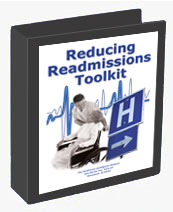 Hospitals across the country are working on quality initiatives to reduce re-admissions to hospitals. There are consultants, conferences, forums, meetings, physicians, nurses and administrators who are spending hours upon hours (and lots of $$$) to find ways to keep patients who have been discharged from being readmitted within 30 days. Why all of this activity? It is one of the quality measures that is being tracked by Medicare and Medical (CMS) and decreased reimbursement will be next if a patient is readmitted to any hospital within 30 days of a discharge. The diagnosis doesn’t matter.
A new study shows all of this focus and cost may not be worth it. Readmission after a hospital discharge may not be an indication of poor care.
The study, published in the Canadian Medical Association Journal looked at 4,812 patients and had medical experts review the cases of the 649 who needed urgent readmission within 6 months. (Not one month as we are measuring). They found that Read more »
*This blog post was originally published at EverythingHealth*
September 3rd, 2011 by GarySchwitzer in Opinion
No Comments »

A story in the San Diego Union-Tribune describes testing of “an experimental therapeutic filtering device being developed.”
Think about it. It hasn’t been proven therapeutic yet if it’s still experimental.
Lawyers use a term, “therapeutic misconception,” which is important for everyone to know about and think about. It refers to study participants perhaps having the misconception that the purpose of the trial is, indeed, therapeutic – when that hasn’t been established yet.
I see news stories commit this error all the time. Read more »
*This blog post was originally published at Gary Schwitzer's HealthNewsReview Blog*
September 3rd, 2011 by ChristopherChangMD in Research
No Comments »

 Gluing blood vessels together, just like gluing a cut garden hose together, does not seem like a great idea at first, but Stanford researchers just might have figured out how to do this safely and effectively.
Over the past century and still currently used today is to hand-sew the cut ends of the blood vessel together using stitches. This method of reattaching blood vessels is time-consuming and tedious, especially when the blood vessels are tiny.
In this new glue method which is FIVE times faster, a special substance is Read more »
*This blog post was originally published at Fauquier ENT Blog*
September 3rd, 2011 by Michael Kirsch, M.D. in Health Policy, Opinion
No Comments »

 There was an extremely popular game show where several times each episode the emcee would shout out, “Survey Said!”. Of course, this was just a game, not real life. Now, several times each week I am asked to respond to surveys. They pop up uninvited on the internet and are often veiled advertisements for products and services. They are on the back of receipts from coffee houses and doughnut shops. Is it worth 10 minutes of my time clicking through the doughnut survey for either a free chocolate frosted doughnut or the chance to be entered into the grand prize drawing months later? Hotels I stay at routinely follow-up with e-mail surveys for my feedback. I suspect most folks delete these instantly, which skews the customer base to those who do respond. (Remember, disatisfied folks are often more motivated to give feedback than the rest of us are.) How often do we call a restaurant, a retail store, a bank or even a doctor’s office to offer hosannas about great service?
Medicare recently released fascinating patient-survey data that raises interesting issues. In over 120 hospitals, patients rated the hospitals very highly, despite high death rates for heart disease and pneumonia. So, who do we believe here, the patients or the death rates? I wonder if the patients’ survey results were more optimistic since only the live ones were available to complete them.
Surveys are now serious bu$ine$$. Read more »
*This blog post was originally published at MD Whistleblower*













