August 14th, 2011 by KerriSparling in Interviews, Opinion
No Comments »

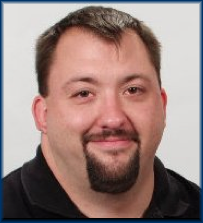 Jay Radcliffe is a fellow type 1 diabetic, and I remember reading his diabetes blog way back in the day, when I first started blogging. We read and commented on each other’s posts, and we were both part of the blogosphere when the DOC first started to grow. I knew he was married, had children, and did the day-to-day diabetes stuff that I did.
Which is why when I read the mainstream media’s take on his pump-hacking research (this article, Insulin Pumps Vulnerable to Hacking, for example), I reached out to him immediately. “Can I just tell you that my mother sent me this article about your research? Do you have time to talk?”
Jay was out in Las Vegas this morning, attending the Black Hat security conference, but he and I had a chance to hash it out over the phone.
“I know you! And I know you as a diabetic, not as this guy who hacks insulin pumps and has a billion articles floating around about it on the web right now. I have a few questions. Starting with, why did you decide to hack into your own insulin pump?”
Read more »
*This blog post was originally published at Six Until Me.*
August 14th, 2011 by Dinah Miller, M.D. in Opinion, True Stories
No Comments »


 Benedict Carey is a New York Times mental health reporter. In last Sunday’s Times, he wrote about Joe Holt, a man with a diagnosis of schizophrenia. Mr. Holt was dealt a particularly tough deck of cards: in addition to a diagnosis of schizophrenia, he had a horrible and traumatic childhood with much loss, placement in a facility where he was physically abused, and periods of homelessness as a teenager. He now has a stable marriage, has adopted children and keeps numerous foster children, and holds two jobs, one as a computer consultant and another as a therapist (if I read that correctly). He struggles with his emotional life, but my take on this was that this is one extremely resilient man who has waged a successful battle against many demons and his story is inspirational.
So Benedict Carey often writes stories that are skeptical, if not outright critical, of the mental health field. This story did not have that tone. I found it interesting, though, that he chose a person with a diagnosis of schizophrenia who’s life was not “typical.” What did I find not typical? Read more »
*This blog post was originally published at Shrink Rap*
August 13th, 2011 by David Kroll, Ph.D. in Health Policy, Opinion
No Comments »

A rumble of discontent is being heard across the dietary supplement industry since a draft guidance document was published last month by the US Food and Drug Administration. In response to the FDA Food Safety Modernization Act signed into law in January by President Obama, the FDA was required to produce documents requiring dietary supplement and foods companies to submit safety information on any new dietary ingredient (NDI) placed into products after 1994.
The guidance document is open for comments from industry but, when issued, a final rule will require dietary supplement products to file a claim of a New Dietary Ingredient (NDI) for any supplement component that was not part of the diet before 1994. What seems to be riling up the industry is that any change in supplement composition after 1994 will require filing of a NDI disclosure. That is, if you as a manufacturer add more DHA to your fish oil supplement, you have to file a NDI notification.
Stepping back, the goal of the FSMA makes perfect sense: Read more »
*This blog post was originally published at Science-Based Medicine*
August 13th, 2011 by RyanDuBosar in Research
No Comments »

British researchers identified a faulty gene associated with a one-in-11 chance of developing ovarian cancer, and they think drugs for breast cancer might also work in these women.
 Researchers from England’s Institute of Cancer Research reported that they compared DNA from women from 911 families with ovarian and breast cancer and to a control group of 1,060 people from the general population.
They found eight gene faults in theRAD51Dgene in women with cancer, compared with one in the control group. TheRAD51Dgene repairs damaged DNA, and when it’s faulty, cells are more likely to turn cancerous.
Results appear Read more »
*This blog post was originally published at ACP Internist*
August 13th, 2011 by DrWes in Health Policy, Opinion
No Comments »

You could see the frustration in his eyes as he spoke to his fellow resident.
“I had to fork over eight hundred and thirty five dollars,” he said slowly in a disgusted tone, “… and that doesn’t even include the $300 state license fee we have to pay later….”
So much for starting our EKG conference on time.
The comments continued. No one could understand why medical school licensure has become so expensive in the US. I thought I’d look into what medical students can expect to pay these days for licensure since it had been a while since I had gone through the gauntlet. Here’s what I found out: Read more »
*This blog post was originally published at Dr. Wes*














