July 24th, 2011 by Harriet Hall, M.D. in Opinion, Research
1 Comment »

Antidepressant drugs have been getting a bad rap in the media. I’ll just give 3 examples:
- On the Today show, prominent medical expert
 Tom Cruise told us Brooke Shields shouldn’t have taken these drugs for her postpartum depression.
- In Natural News, “Health Ranger” Mike Adams accused pharmaceutical companies and the FDA of covering up negative information about antidepressants, saying it would be considered criminal activity in any other industry.
- And an article in Newsweek said “Studies suggest that the popular drugs are no more effective than a placebo. In fact, they may be worse.”
Yet psychiatrists are convinced that antidepressants work and are still routinely prescribing them for their patients. Is it all a Big Pharma plot? Who ya gonna believe? Inquiring minds want to know:
- Are antidepressants more effective than placebo?
- Has the efficacy of antidepressants been exaggerated?
- Is psychotherapy a better treatment choice?
The science-based answers to the first two questions are Read more »
*This blog post was originally published at Science-Based Medicine*
July 24th, 2011 by PreparedPatient in Health Tips
No Comments »

Living Beyond Pain
 For people with severe chronic pain like Kelly Young and Teresa Shaffer—both of whom have become patient advocates—coping with agony is a fact of life. Young suffers from rheumatoid arthritis while Shaffer’s pain is linked primarily to another degenerative bone disease.
Chronic pain is one of the most difficult—and common—medical conditions. Estimated to affect 76 million Americans—more than diabetes, cancer and heart disease combined—it accompanies illnesses and injuries ranging from cancer to various forms of arthritis, multiple sclerosis and physical trauma.
Pain is defined as chronic when it persists after an injury or illness has otherwise healed, or when it lasts three months or longer. The experience of pain can vary dramatically, depending in part on whether it is affecting bones, muscles, nerves, joints or skin. Untreated pain can itself become a disease when the brain wrongly signals agony when there is no new injury or discernable other cause. Fibromyalgia—a disease in which pain in joints, muscles and other soft tissues is the primary symptom—is believed to be linked to incorrect signaling in the brain’s pain regions.
Finding a Doctor
The first step to deal with chronic pain is Read more »
*This blog post was originally published at Prepared Patient Forum: What It Takes Blog*
July 24th, 2011 by DeborahSchwarzRPA in Health Tips, Research
No Comments »

People with metabolic syndrome are twice as likely to develop heart disease, and five times as likely to develop diabetes, as those who don’t have metabolic syndrome. But many people are not yet familiar with this relatively new term. Do you know what metabolic syndrome is?

OECD Country Populations with a BMI > 30 (1996-2003)
Metabolic syndrome is the combination of several medical problems associated with morbid obesity. In addition to obesity, these conditions include: Read more »
*This blog post was originally published at Columbia University Department of Surgery Blog*
July 23rd, 2011 by Dr. Val Jones in Health Tips, Opinion
No Comments »
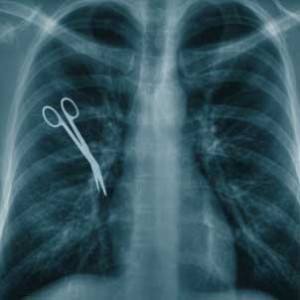 Alright, I admit that the title of this post is a little dramatic. But it really does seem that most people I know socially have had a bad experience with the healthcare system lately. Take for example my friend whose 3- year-old went to the hospital for a common pediatric procedure – the little girl was overdosed on a medicine, aspirated, got pneumonia, went into respiratory distress (noticed first by her mom) and remained in the pediatric ICU for several days. The hospital staff swept the overdose under the rug, and outright denied it happened when faced with direct questioning. As outrageous as that all is, my friend chose not to pursue action against the hospital and staff for their error and behavior. She just “let it go” because no permanent harm had occurred.
Another dear friend was recently misdiagnosed with having a pulmonary condition when he was in heart failure from an arrhythmia… and almost had a stroke during a contraindicated pulmonary stress test. His simple conclusion: “doctors suck.” Was anyone held accountable for this? No. Again because no permanent harm had occurred.
Just the other night I was having dinner with some visitors from out of town. They both told me Read more »
July 23rd, 2011 by Dinah Miller, M.D. in Book Reviews, Opinion
No Comments »


 Rob Dobrenski, PhD. is a psychologist who blogs over on ShrinkTalk.net. He’s written a book about what it’s like to be a psychology graduate student, a psychotherapy patient, and a psychologist. Oh, we like the folks who go from Shrink blog to Shrink book — it somehow feels familiar — and so I agreed to read his book: Crazy: Tales on and Off the Couch.
So bear with me while I tell you that the book rubbed me wrong at the outset. Dr. Dobrenski begins by saying something to the effect that he describes things that all shrinks feel, and if they say they don’t, they aren’t being honest. I really hate it when people tell me what I feel. It’s like saying that Prozac made your depression better and if it didn’t, then you just didn’t recognize it. And then the book gets off on a provocative start — Rob discovers that many people in his life, from a patient, to a colleague, to himself — are “f***ing crazy.” The asterisks are mine. Dr. Dobrenski had no trouble using the word — I counted 19 times in the 39 pages, including in direct quotes of discussions he has with both a patient and one of his supervisors. Not in a million years. I wasn’t sure what the point was. To let people know he knows obscene words? To be Read more »
*This blog post was originally published at Shrink Rap*













