May 26th, 2011 by Bryan Vartabedian, M.D. in Health Policy, Humor
No Comments »

 This is good. I knew the CDC was socially tuned-in but this came as a surprise: Preparedness 101: Zombie Apocalypse . It’s every American’s guide to dealing with a zombie attack. You come thinking zombies but take away principles for emergency preparedness. Well done, CDC.
The real take away for those of us looking under the hood: effective health messaging should be creative and fun. While we’ll never be able to measure the true effectiveness of this approach in an emergency, expect the post’s massive traffic to convert important links on emergency preparedness. Hopefully the CDC will release stats on the effectiveness of this campaign.
I’d like to write more, but I’m goin’ to make my kit.
*This blog post was originally published at 33 Charts*
May 26th, 2011 by Happy Hospitalist in News, Opinion
No Comments »

Chantix lawsuits here we come. I’ve been prescribing Chantix and helping fill out forms for free Chantix for my patients for several years now. Chantix is one medicine used to help get patients to quit smoking right now. In fact, I even had a case presentation of a woman I warned to quit smoking for good or face a lifetime of being cross eyed.
Does Chantix help to quit smoking? Yes it does. It helps to take the cravings away in folks who use it. If you smoke, you should want to quit, based on my discussions with a tobacco farming insider. If nothing has helped, Chantix might be your last hope. As a hospitalist, I always offer Chantix therapy as part of my smoking lecture (that I bill out as smoking cessation CPT 99406 or 99407)
With the average cost of cigarettes going through the roof, the percentage of Americans who smoke has come down. For those still hanging on, taking Chantix to help quit seems like a perfect opportunity to put down the cancer sticks forever. Until the nicotine vaccine becomes widely available I just don’t think we have that many other options available.
But now it seems like Chantix lawsuits may be the next greatest get rich scheme for smokers every where. On May 19th, 2011 the FDA responded to a report from the QuarterWatch: 2010 Quarter 3 Institute of Safe Medication Practices report regarding the safety profile of Chantix . You can view the Chantix information on this pdf file starting on page 14. Pfizer sent the FDA information on several thousand Chantix adverse drug events (ADEs) resubmitted to the FDA’a Adverse Events Reporting System in July 2010 at the FDA’s request. These events reportedly had been previously submitted in a form that did not allow for a comprehensive evaluation.
These included 150 completed suicides dating back to 2007 along with hundreds of incidents of psychosis, depression and attempted suicide. In the third quarter of 2010, varenicline had 1,055 serious adverse drug events reported, more than any other drug the ISMP montitors and Chantix ranked first with twice as many deaths reported related to Chantix exposure.
Pfizer said they were unable to repond to the findings of the ISMP because of their possible involvement in future legal cases. Here is the FDA response statement to the ISMP QuarterWatch report:
In 2006, the Pfizer product, Chantix (varenicline), was FDA-approved as a smoking cessation aid. Soon after marketing, FDA became aware through its postmarketing surveillance system, the Adverse Events Reporting System or AERS, of the potential for serious neuropsychiatric events in patients taking Chantix. Subsequently, FDA began communicating about these potential risks with health professionals and patients. A list of previous safety communications can be found on the Chantix Information page.
Amid continuing adverse event reports, in July 2009, the FDA required that Pfizer update the Chantix label with the most restrictive safety labeling – a boxed warning – describing the risk for neuropsychiatric events. This warning was directly related to the association of Chantix with suicidal thoughts and aggressive behavior. In addition, in 2008, FDA required a mandatory medication guide for patients describing this risk.
In July 2010, Pfizer, at the request of FDA, resubmitted a large number of adverse event reports that were initially sent to the Agency in a way that did not allow for comprehensive evaluation. Although this resubmission included thousands of reports of potential adverse events, these events were spread out over a number of years, and had been reported to the agency periodically in summary safety reports. These reports confirm what we already knew about Chantix and would not have changed the Agency’s position on the drug’s risks and benefits, given that the data in these reports were consistent with those that led to the 2009 labeling change. At this point, based on the data, FDA does not have any new safety concerns with Chantix, though those that have been established remain under active review.
The Agency takes seriously the adverse events associated with all drugs, including Chantix. FDA continues to monitor for serious and unexpected events associated with Chantix. FDA has initiated additional postmarket safety activities. Specifically, it has required the manufacturer of Chantix to conduct a large, comparative, postmarket clinical trial assessing the safety of Chantix among other smoking cessation aids. FDA has also initiated two observational safety studies on Chantix, one with the Veterans Administration and one with the Department of Defense.
Last year, FDA became aware that a few manufacturers were submitting adverse events reports to FDA through improper channels. At that time, FDA clarified its instructions to drug manufacturers, including Pfizer, to submit adverse event reports through a channel that would allow for the adverse event reports to be entered into FDA’s Adverse Event Reporting System, a database of postmarketing adverse event reports that allows for review by the Agency’s safety staff. These instructions were clarified and put on the FDA website for AERS Electronic Submissions2.
FDA will continue to monitor the postmarket safety of Chantix and will communicate any new information as it becomes available. The Agency remains committed to monitoring the safety of drugs as they are used in the postmarket, real-world setting.
Chantix lawsuits, here we come. I think all hospitalists should be aware of these significant findings. Should we stop prescribing the drug? I think I’m done with it. I’d rather have my patients die a slow and painful death filled with morbid disability spread over many years than to have one claim I tried to knock them off with a little bloodless surgery.
Pick your poison, I guess. There’s always cold turkey available too.
*This blog post was originally published at The Happy Hospitalist*
May 26th, 2011 by Shadowfax in Health Tips
1 Comment »

 There’s been quite a kerfuffle over the “Unprofessional” post Dr V wrote. A lot of people have been very shrill in denouncing physicians who write about their experiences using social media — blogs, twitter, facebook, etc — with particular emphasis on those who do not use their real names.
So, while I won’t tell someone how they should blog/tweet, or try to impose my vision of professional standards on a community that clearly is still coming to consensus with public conversations by healthcare workers, I will offer you my personal guidelines and values that I use in determining what I am willing to put into the public domain. These are just my opinions; your mileage may vary.
As a general principle: patients give physicians and nurses access to intimate details of their lives and they have a reasonable and valid expectations that we will respect their privacy and dignity. When using social media, that does need to be maintained. How you do that requires careful attention and may be controversial regardless of your approach.
Don’t blog or tweet anything that you wouldn’t want you boss/hospital administration to read. Stress test yourself by informing your employer or CEO about your blog and invite them to read it. That will keep you honest! Read more »
*This blog post was originally published at Movin' Meat*
May 26th, 2011 by Paul Auerbach, M.D. in Health Tips
No Comments »

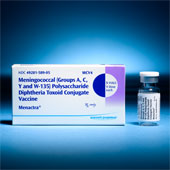 One of the most feared infectious diseases for outdoor travelers—particularly children and young adults—meningitis caused by the bacterium Neisseria meningitidis (meningococcus). The infection can appear in outbreaks, most commonly abroad, particularly in sub-Saharan Africa and China.
The infection is spread in the respiratory secretions of humans. The disease appears in many forms, the most common of which are meningitis, pneumonia, and disseminated bacterial infection. The typical presentation of meningitis is fever, headache, and a stiff neck. If the cause is meningococcus, the victim may develop a skin rash, which consists of red dots or bumps, or a flat, more patchy dark red discoloration.
If the dark red dots begin to enlarge and coalesce into large purplish bruise-like discolorations, this is a bad sign. In the worst cases, a victim can develop shock, respiratory failure, diffuse bleeding, and death. Approximately one in 10 victims of meningococcal meningitis dies. Read more »
This post, Do You Know How To Recognize Deadly Bacterial Meningitis?, was originally published on
Healthine.com by Paul Auerbach, M.D..
May 25th, 2011 by admin in Health Tips, Research
No Comments »

An Embarrassment of Riches?
Much has been written here about the dietary supplement business, a multibillion dollar industry with powerful political connections, and about the woeful inadequacy of regulation which allows widespread marketing of supplements without a solid basis in science or scientific evidence.
The veterinary supplement market is a pittance compared to the human market, but still a billion-dollar pittance that is growing rapidly. Unfortunately, the resources available for good quality research in veterinary healthcare are also a pittance, and it is not at all unusual for our pets to suffer, or even be euthanized, as a result of treatable diseases for want of money to pay for needed care. So $1 billion a year spent on nutritional supplements may not be such a good deal if these products don’t effectively prevent or treat disease. Read more »
*This blog post was originally published at Science-Based Medicine*


 This is good. I knew the CDC was socially tuned-in but this came as a surprise: Preparedness 101: Zombie Apocalypse . It’s every American’s guide to dealing with a zombie attack. You come thinking zombies but take away principles for emergency preparedness. Well done, CDC.









