March 31st, 2011 by John Di Saia, M.D. in Opinion
No Comments »

For years I have avoided Medicare breast reductions for a number of reasons:
(1) Poor pay for hours of work. An average breast reduction when done to a high standard usually takes 3-4 hours. I do not staple the closure.
(2) Medicare patients due to their age are at higher risk for wound healing problems.
(3) 90 day global fee period – These patients routinely need follow-up care and that care is not billable.
Recently I ignored my better judgment and performed the operation for a lady in whom back pain (ICD-9 724.5) and back surgery had been long term problems. She also had a pretty nasty rash (ICD-9 692.89 Dermatitis and eczema [in the infra-mammary fold]) under her right breast that just wouldn’t go away. These of course were all in addition to the usual diagnosis of large breasts (ICD-9 611.1 Hypertrophy of breast.)
Medicare showed me yet another reason for my hesitation to do these cases when they denied payment for the operation saying it was not medically indicated. They will probably pay on appeal, but the thought that I should have to appeal the case adds insult to injury.
*This blog post was originally published at Truth in Cosmetic Surgery*
March 31st, 2011 by Happy Hospitalist in Humor
No Comments »

Everyone has their own perspectives about life and death, often based on life experiences and their worldly views. Doctors are no different, except to say that doctors deal with life and death every day of their lives. For medical doctors, death perspectives are more likely to be defined by their disease specialty.
Here are a few examples of death perspectives from the different medical specialties
If you’re a pulmonologist, nobody dies without first getting a bronchoscopy.If you’re a cardiologist, nobody dies without first getting a heart catheterization.If you’re a nephrologist, nobody dies without first getting a run of dialysis.If you’re an oncologist, nobody dies without first getting a course of chemotherapy.If you’re a neurologist, nobody dies without first getting an EEG and an MRI. If you’re a gastroenterologist, nobody dies without first getting a colonoscopy.If you’re a rheumatologist, nobody dies from lupus, because the answer is never lupus. If you’re an infectious disease doctor, nobody dies without first getting a course of doxycycline.If you’re a family practice physician, nobody dies without getting a consult.If you’re an internist, nobody dies without first admitting the patient to the hospitalist.If you’re a dermatologist, nobody dies. Period.
What’s the moral of the story? If you want to live forever, get a dermatologist as your primary care physician.
*This blog post was originally published at The Happy Hospitalist*
March 31st, 2011 by Elaine Schattner, M.D. in Opinion
No Comments »

The Times ran an intriguing experiment on its Well blog yesterday: a medical problem-solving contest. The challenge, based on the story of a real girl who lives near Philadelphia, drew 1379 posted comments and closed this morning with publication of the answer.
Dr. Lisa Sanders, who moderated the piece, says today that the first submitted correct response came from a California physician; the second came from a Minnesota woman who is not a physician. Evidently she recognized the condition’s manifestations from her experience working with people who have it.
 The public contest – and even the concept of using the word “contest” – to solve a real person’s medical condition interests me a lot. This kind of puzzle is, as far as I know, unprecedented apart from the somewhat removed domains of doctors’ journals and on-line platforms intended for physicians, medical school problem-based learning cases, clinical pathological conferences (CPC’s) and fictional TV shows. Read more »
*This blog post was originally published at Medical Lessons*
March 31st, 2011 by admin in Health Policy, Health Tips, Research
No Comments »
By Richard C. Hunt, MD, FACEP
Centers for Disease Control and Prevention
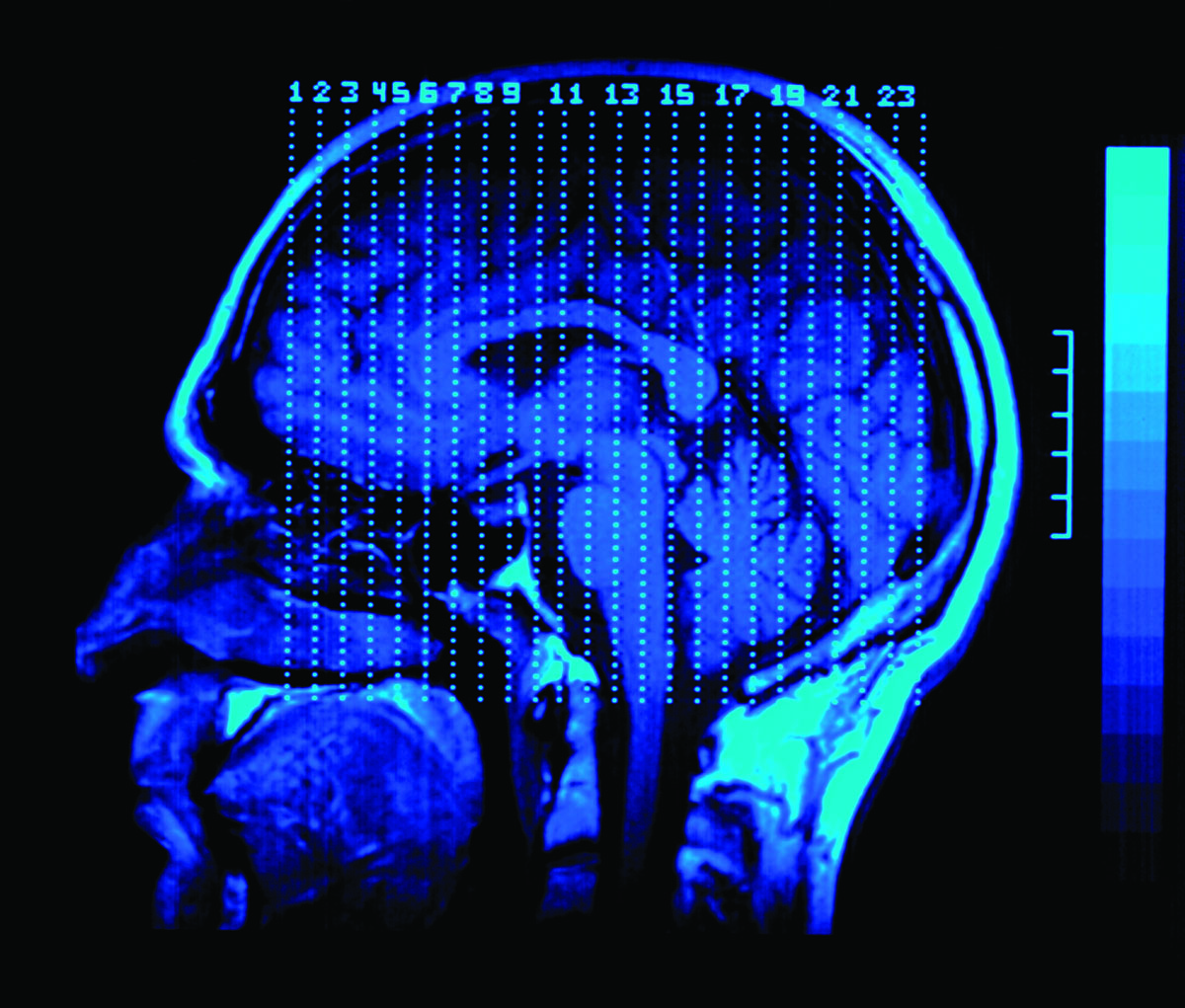
A 17 year-old athlete arrives on the sideline, at your office, or in the emergency department after hitting her head during a collision on the sports field and is complaining that she has a headache and “just doesn’t feel right.”
Can she return to play? If not, when can she safely return to school, sports, and to her normal daily activities? Does she need immediate care, a Head CT or MRI, or just some time to rest?
Do those questions sound familiar?
Each year thousands of young athletes present at emergency departments and in the primary care setting with a suspected sports- and recreation-related concussion. And every day, health care professionals, like us, are challenged with identifying and appropriately managing patients who may be at risk for short- or long-term problems.
As you know, concussion symptoms may appear mild, but this injury can lead to significant, life-long impairment affecting an individual’s ability to function physically, cognitively, and psychologically. Thus, appropriate diagnosis, referral, and education are critical for helping young athletes with concussion achieve optimal recovery and to reduce or avoid significant sequelae.
And that’s where you come in. Health care professionals play a key role in helping to prevent concussion and in appropriately identifying, diagnosing, and managing it when it does occur. Health care professionals can also improve patient outcomes by implementing early management and appropriate referral.
As part of my work at CDC, and as a health care professional, I am committed to informing others about CDC’s resources to help with diagnosing and managing concussion. CDC collaborated with several organizations and leading experts to develop a clinical guideline and tools for the diagnosis and management of patients with concussion, including:
For more information about the diagnosis and management of concussion, please visit www.cdc.gov/Concussion/clinician.html.
Also, learn more about CDC’s TBI activities and join the conversation at: www.facebook.com/cdcheadsup.
March 30th, 2011 by Harriet Hall, M.D. in Opinion, Quackery Exposed
1 Comment »

David Kroll’s recent article on thunder god vine is a great example of what can be learned by using science to study plants identified by herbalists as therapeutic. The herbalists’ arsenal can be a rich source of potential knowledge. But Kroll’s article is also a reminder that blindly trusting herbalists’ recommendations for treatment can be risky.
Herbal medicine has always fascinated me. How did early humans determine which plants worked? They had no record-keeping, no scientific methods, only trial and error and word of mouth. How many intrepid investigators poisoned themselves and died in the quest? Imagine yourself in the jungle: which plants would you be willing to try? How would you decide whether to use the leaf or the root? How would you decide whether to chew the raw leaf or brew an infusion? It is truly remarkable that our forbears were able to identify useful natural medicines and pass the knowledge down to us.
It is equally remarkable that modern humans with all the advantages of science are willing to put useless and potentially dangerous plant products into their bodies based on nothing better than prescientific hearsay. Read more »
*This blog post was originally published at Science-Based Medicine*