July 24th, 2010 by Steve Novella, M.D. in Better Health Network, Health Policy, Health Tips, Opinion, Research
1 Comment »

Recently some Science-Based Medicine (SBM) colleagues (David Gorski, Kimball Atwood, Harriet Hall, Rachel Dunlop) and I gave two workshops on how to find reliable health information on the Web. As part of my research for this talk I came across this recent and interesting study that I would like to expand upon further: Quality and Content of Internet-Based Information for Ten Common Orthopaedic Sports Medicine Diagnoses.
The fact that the article focuses on orthopedic diagnoses is probably not relevant to the point of the article itself, which was to assess the accuracy of health information on the Web. They looked at 10 orthopedic diagnoses and searched on them using Google and Yahoo, and then chose the top results. They ultimately evaluated 154 different sites with multiple reviewers for quality of content and also for their HON rating. Read more »
*This blog post was originally published at Science-Based Medicine*
July 24th, 2010 by Medgadget in Better Health Network, News, Research
No Comments »

 A team from Northeastern University and Harvard Medical School has been analyzing words used in tweets by American users in an attempt to gauge the public mood around the country.
What they discovered was that users on the West Coast seem to be quite a bit jollier than those on the East Coast. It’s not clear whether the data was collected during the summer or winter months and accordingly adjusted, for that surely would affect the readings.
Researchers were able to infer the mood of each tweet using a psychological word-rating system developed by the National Institute of Mental Health’s Center for the Study of Emotion and Attention. The system ranks words based on how they make people feel. Read more »
*This blog post was originally published at Medgadget*
July 24th, 2010 by Toni Brayer, M.D. in Better Health Network, Health Tips, News, Opinion, Research
No Comments »

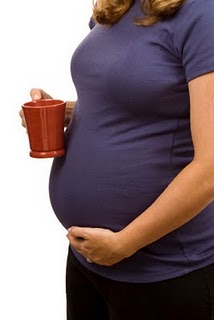 The American College of Obstetricians and Gynecologists has issued a statement that moderate caffeine consumption (<200mg/day — about a cup of coffee) does not increase a woman’s risk for miscarriage or preterm birth. The review of recent studies was published in Obstetrics and Gynecology and should reassure women about drinking coffee when pregnant.
Caffeine does cross the placenta, but there was no difference found between the moms who drank caffeine while pregnant and those who did not.
If you wonder how much caffeine is in certain drinks or foods, click here.
One fact the study did not mention is that many women have a natural aversion to coffee when they are pregnant. Maybe nature knows best.
*This blog post was originally published at EverythingHealth*
July 24th, 2010 by John Mandrola, M.D. in Better Health Network, Health Tips, Opinion, True Stories
No Comments »
A trained observer is what most electrophysiologists are. And being a trained observer carries over into real life, as would the handiness of a plumber, or the strength of a brick layer, or the wordsmithing of a journalist.
Will and I drive past our house.
“Where are we going now,” he asks in the exasperated tone of a 13 year old.
I need to take a picture.
Why?
Because middle-aged patients who’ve recently realized that their life is half over often seek clues to longevity.
Let’s take stressed-out, middle-aged patients who’ve somehow been rendered free of AF (maybe by a skillful ablation, or more likely just happenstance). Let’s also say they don’t smoke, drink excessively, have normal blood pressure, normal blood sugar, and aren’t obese. Is there anything else they can do to live longer, they often ask? Yes, I believe there is. Read more »
*This blog post was originally published at Dr John M*
July 24th, 2010 by KerriSparling in Better Health Network, True Stories
No Comments »

It wasn’t until yesterday that I thought “The Thought” for the first time.
She had a very wet diaper in the afternoon. And even though she had nursed for a long time and even though she seemed (and is) healthy and very strong, I still thought about taking out my meter and pricking her heel myself. Just thought it for a second.
I didn’t follow through, though. I didn’t let “The Thought” stay for more than a flicker, as I immediately finished changing her diaper and started singing her a song about the power of tiny spoons. (Don’t ask — my songs never make any sense.) I shook “The Thought” off the same way I shake off the thought every time I wonder if my niece or nephew might have dipped into my autoimmune grab bag. I don’t allow my brain to go there. It’s not denial, but feels more like a protective measure taken by my mind, protecting my psyche from letting “The Thought” permeate my daily life. Read more »
*This blog post was originally published at Six Until Me.*












