June 9th, 2010 by Richard Cooper, M.D. in Better Health Network, Health Policy, News, Opinion, Research
No Comments »

In a recent blog posting, I described Group Health’s medical home for 8,000 patients. It proved to be a boon for primary care physicians, who were able to reduce the size of their patient panels, see fewer patients per day, refer more patients to specialists, and maintain or increase their incomes.
Patients liked it, too. And Group Health was happy because expenditures per patient were 2 percent lower. But poor patients had trouble getting through the front door of the medical home, so based on demographic differences alone, expenditures should have been lower by 10 percent or more. Nonetheless, they declared victory.
Now news filters south from Ontario’s eight-year experiment with medical homes for 8,000,000 patients, and the news is similar. Participation is skewed to healthier and wealthier patients who, in the absence of risk adjustment, yield profitable capitation for primary care physicians. Incomes have soared an average of 25 percent. Read more »
*This blog post was originally published at PHYSICIANS and HEALTH CARE REFORM Commentaries and Controversies*
May 10th, 2010 by Richard Cooper, M.D. in Better Health Network, Health Policy, Opinion, Research
1 Comment »
Group Health has published two papers recently, one in Health Affairs and the other in JAMA, both extolling the virtues of its Medical Home. These follow their brief report last fall in the NEJM and the lengthy description of their model in the American Journal of Managed Care. Their model has been promoted by the Commonwealth Fund, and it is cited in the currrent issue of Lancet.
The big news is that costs were a full 2% lower than conventional care, hardly a great success –- it wasn’t even statistically significant. But was even this small difference due to the Medical Home, or was it because the Medical Home patients were less likely to consume care? Read more »
*This blog post was originally published at PHYSICIANS and HEALTH CARE REFORM Commentaries and Controversies*
September 29th, 2009 by DrRob in Better Health Network, Health Policy, Opinion
No Comments »

Please allow me to coin a new term:
Medical Homelessness – Not having access to a consistent familiar medical setting. Not having a care location where one is known or where the medical information is accurate.

credit
I think medical homelessness is one of the main problems in our system.
Read more »
*This blog post was originally published at Musings of a Distractible Mind*
July 27th, 2009 by Dr. Val Jones in True Stories
4 Comments »
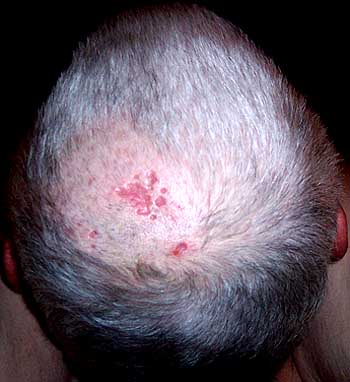 Regular readers of Better Health will recall my personal frustration that my mother-in-law received 2 months of physical therapy, a head CT, and extensive blood testing in response to a shingles outbreak that I was able to diagnose easily over the phone.
The misdiagnosis that resulted in chronic post-herpetic neuralgia and a $10,000 waste of resources, has continued to vex me. After Mrs. Zlotkus and I realized what was going on, I outlined for her the usual treatment regimen for shingles pain – explaining that most people needed a fairly high dose of the nerve pain medicine before they experience any relief at all, and to make sure her doctor gave her an adequate dose before deciding whether or not it worked.
And you can guess what happened next.
Mrs. Zlotkus was seen by a young and inexperienced neurologist who insisted on giving her a very tiny dose of the nerve medicine (it has an excellent safety profile even at very high doses). Of course, it didn’t help. She was given 100mg twice a day (where shingles sufferers often need as much as 1800mg/day) with instructions to return in a few weeks. The doctor also told her that she “couldn’t be sure the pain was due to shingles since she hadn’t seen the original rash.”
That’s like an ER physician saying to a trauma victim that they can’t be sure of the cause of the injuries because they didn’t witness the car accident.
At that point I instructed her to find an experienced pain management specialist who’d know how to titrate her medication appropriately – and who might even be able to do a nerve block to get her some immediate pain relief.
Luckily, Mrs. Zlotkus “knew somebody who knew somebody” and was able to make an appointment the next day with a senior anesthesiologist experienced in nerve blocks. The pain management physician knew just what to do, administered the nerve block, increased her medication dose, and sent her on her way. She experienced immediate relief of her symptoms and felt like a new woman.
If Mrs. Zlotkus had gone directly to the anesthesiologist in the first place, she might have saved herself months of agony and a $10,000+ bill to Medicare. (Better yet she would have gone to her PCP when she first noticed scabs on her scalp and he would have prescribed an anti-viral medicine that could have aborted the entire pain syndrome.) But how was she to know which provider was right for her? How could she know that her neurologist was prescribing her the wrong dose of pain medication, and that a nerve block might solve all of this nicely. Without the correct diagnosis, a cascade of wasted resources and personal suffering ensued. Without me nudging her in the right treatment direction – perhaps she’d still be doing neck stretching exercises in physical therapy?
I am a fan of the “medical home” concept as described by the AAFP and wonder if it could have made a difference in Mrs. Zlotkus’ care:
“In this new model, the traditional doctor’s office is transformed into the central point for Americans to organize and coordinate their health care, based on their needs and priorities. At its core is an ongoing partnership between each person and a specially trained primary care physician. This new model provides modern conveniences, like e-mail communication and same-day appointments; quality ratings and pricing information; and secure online tools to help consumers manage their health information, review the latest medical findings and make informed decisions.
Consumers receive reminders about necessary appointments and screenings, as well as other support to help them and their families manage chronic conditions such as diabetes or heart disease. The primary care physician helps each person assemble a team when he or she needs specialists and other health care providers such as nutritionists and physical trainers. The consumer decides who is on his or her team, and the primary care physician makes sure they are working together to meet all of the patient’s needs in an integrated, ‘whole person’ fashion.”
In summary, there’s a lot of waste in our medical system caused by a lack of coordination of care, hasty diagnoses, and defensive medicine. Even the most common diagnoses (like shingles) can end up setting off a chain reaction of over testing, incorrect treatment and personal suffering. We need an “OnStar” system for healthcare – a way to help patients navigate their way to the right care at the right time. The medical home model is as good a GPS system as any… so long as the primary care physician at the center of the coordination of care is not so rushed that she can’t do her job properly. And that’s the secret to making the medical home work – giving the doctor enough time to unravel the problems at hand and figure out the best next steps in care. If we get this right, we can probably say goodbye to CT scans for shingles.
















