
November 17th, 2014 by Dr. Val Jones in News, Research
Tags: Annals Of Internal Medicine, Apps, Ineffective, mFit, mHealth, Mobile App, Mobile Fitness Study, MyFitnessPal, No Weight Loss, Primary Care, Smart phone, UCLA, Weight Loss
4 Comments »

A Cost Effective Fitness Band
In a new study published in the Annals of Internal Medicine, researchers found that overweight and obese patients who used a popular smart phone app (MyFitnessPal) did not lose significant weight after a 6 month trial period. The randomized controlled trial is the first of its kind to demonstrate that well-liked mobile apps may be ineffective for most users.
Two hundred and twelve racially diverse (73% female) patients treated at two UCLA primary care clinics were enrolled in the study. All indicated that they were interested in losing weight and 79% who completed the study indicated that they were “somewhat” or “completely” satisfied with the app, while 92% reported that they’d recommend it to a friend.
Unfortunately, as pleased as the subjects were with the app, there was no statistically significant difference in weight loss between the intervention and control groups. On average, the MyFitnessPal users lost 0.66 lbs in 6 months.
The authors note:
“Most participants rarely used the app after the first month of the study… Given these results it may not be worth a clinician’s time to prescribe MyFitnessPal to every overweight patient with a smart phone… Our analysis did not show any demographic covariates to be important predictors of app use.”
This study serves as a reminder that “popular” and “effective” do not always go hand-in-hand when it comes to weight loss interventions. While mHealth apps are expected to earn $26 billion by 2017, one is left to wonder if this money will be well spent or if we’ll all be “somewhat to completely satisfied” with the apps without anything medically significant to show for it?
February 10th, 2014 by admin in Health Tips, News, Quackery Exposed
Tags: Cheerios, Cholesterol, Claims, Corn Starch, Diet, General Mills, GMO, Oat Bran, Oats, Sugar, Tripotassium Phosphate
6 Comments »
 Make no mistake about it. General Mills’ introduction of Cheerios sporting the label “Not Made With Genetically Modified Ingredients” is a mere marketing ploy and has nothing to do with health or nutrition. Let’s start the dissection of this blatant attempt to capitalize on the anti-GMO paranoia by looking at the main ingredient in Cheerios, namely oats. Samuel Johnson, the 18th century writer who compiled the first authoritative dictionary of the English language whimsically defined oats as the grain “eaten by people in Scotland, but fit only for horses in England.” A clever Scot supposedly retorted “that’s why England has such good horses, and Scotland has such fine men!”
Modern science, as it turns out, supports the ancient Scotch penchant for oats. A form of soluble fiber in the grain known as beta glucan has been shown to reduce levels of cholesterol in the blood which in turn is expected to reduce the risk of heart disease. You couldn’t tell this by the Scottish experience, though. Scotland has one of the highest rates of heart disease in the world. It seems all that haggis, refined carbs and a lack of veggies is too great a challenge for Scotch oats to cope with. Actually you need at least 3 grams of beta glucan daily to have any effect on blood cholesterol and that translates to roughly a cup of cooked oat bran or a cup and a half of oatmeal. Or about three servings of Cheerios. And that makes the cholesterol lowering claims prominently featured on the Cheerios box ring pretty hollow. There are far better ways to reduce cholesterol than gorging on Cheerios.
At least, though, the cholesterol lowering claim has some scientific merit. The “no GMO” claim has none. To start with, there are no genetically modified oats grown anywhere, at least not in the current sense of the term which refers to the splicing of specific foreign genes into the DNA of a seed. Such “recombinant DNA technology: is generally used to confer resistance to herbicides or protection from insects, but resistance to drought and enhancement with nutrients hold great potential. Although it is this new-fangled technology that garners attention these days, the fact is that virtually everything we eat has been genetically modified in some fashion over the years, either by traditional crossbreeding or through the use of chemicals or radiation both of which can scramble the genetic material in crops. The latter processes are based on the hope that a useful mutation will occur by chance, but basically it comes down to a roll of the dice. Just do enough experiments and a valuable mutant may surface. Radiation breeding has produced many varieties of rice, wheat, peanuts and bananas that are now widely grown. If you are eating red grapefruit, or sipping premium Scotch whisky made from barley, you are enjoying the products of this technology.
So if “genetically modified” oats do not exist, what sort of monsters is General Mills protecting us from? As is the case with any commercial cereal, Cheerios contains a number of ingredients with nutritious whole grain oats at the top of the list. Next come modified corn starch and sugar. It is to these two ingredients that General Mills refers when it talks about “GMO-free.” Much of the corn and some of the sugar beets grown in North America are genetically modified to resist herbicides and ward off insects. But by the time the highly processed starch and sugar extracted from these plants reach the food supply, they retain no vestige of any genetic modification. There is no way to distinguish the starch or sugar derived from genetically modified plants from the conventional varieties. The GMO-free Cheerios will not differ in any way from the currently marketed version except that the price may eventually reflect the greater cost of sourcing ingredients from plants that do not benefit from recombinant DNA technology.
The reason for the addition of sugar to Cheerios, actually in small doses compared with other cereals, is obvious. But why is corn starch added, and why is it modified? Nobody likes soggy cereal, and a thin layer of modified starch sprayed onto the little “O”s helps keep the interior dry. The modification in this case has nothing to do with genetic modification. Starch is a mixture of essentially two “polymers,” or giant molecules, both composed of units of glucose joined together. In amylose, the glucose units form a straight chain, while in amylopectin, the main glucose strand features many branches of shorter glucose chains. The properties of any starch depend on the relative proportion of amylose and amylopectin as well as on the degree of branching.
Starch has many uses in the food industry. It can thicken sauces, prevent French dressing from separating, substitute for fat or keep cereals dry. But these uses require starches of specific composition, either in terms of the length of the glucose chains or the degree of branching. In other words, the native starch has to be “modified” by treatment with acids, enzymes or oxidizing agents. There is no safety issue here, modified starches are approved food additives. Of course that doesn’t prevent scientifically illiterate alarmists from scaring the public by blathering on about modified starch being used as wallpaper glue and insinuating that any food made with it will literally stick to our ribs. The modified starch used in glue, namely a “carboxymethylated” version, is not the same as used in food, but even if it were, so what? Just because water can be used to clean garage floors and is found in tumours doesn’t mean we can’t drink it. Talking about washing garage floors, Cheerios also contains tripotassium phosphate, a powerful cleaning agent. It is added in small amounts to adjust the acidity of the mix used to formulate the cereal. This too has raised the ire of some ill-informed activists who do not realize that we consume all sorts of naturally occurring phosphates regularly in our diet. Quacking about the dangers of tripotassium phosphate in Cheerios makes about as much sense as hyping Cheerios that are “Not Made With Genetically Modified Ingredients.”
***
Joe Schwarcz, Ph.D., is the Director of McGill University’s Office for Science and Society and teaches a variety of courses in McGill’s Chemistry Department and in the Faculty of Medicine with emphasis on health issues, including aspects of “Alternative Medicine”. He is well known for his informative and entertaining public lectures on topics ranging from the chemistry of love to the science of aging. Using stage magic to make scientific points is one of his specialties.
July 11th, 2012 by Dr. Val Jones in News, Opinion
Tags: American Medical News, anorexia, Baby Boomers, Boomers, bulimia, Eating Disorders, Older Women, Prevalence
2 Comments »
 American Medical News drew my attention to a recent study published in the International Journal of Eating Disorders. Among the surprising findings, 62% of women surveyed (all over the age of 50) said that their weight or shape negatively impacted their life, and 13.3% had eating disorders. About 7.5% of respondents admitted to trying diet pills to lose weight, while 2.2% used laxatives, and 1.2% vomited to reduce their weight (aka bulimia).
Eating disorder treatment facilities have noticed a surge in older patients, including one center that experienced a 42% increase in the number of women older than 35 seeking treatment at its clinics nationwide over the past decade.
Healthcare providers should be aware that eating disorders are not just a problem for young women. Women of all ages are now struggling with a rail-thin beauty ideal in a country of rising obesity rates, sedentary lifestyles, and ubiquitous junk food. And for older women with eating disorders, the health risks of osteoporosis, stomach ulcers, and cardiovascular abnormalities are much higher.
Perhaps primary care physicians should include an eating disorder questionnaire in their regular visits with boomers? We may be surprised by the prevalence of this issue, and I bet that many of our patients will be glad we asked.
July 10th, 2012 by Dr. Val Jones in Health Tips, News
Tags: Abreva, Cold Sores, Counterfeit Medicines, Dermatology, Docosanol, Fake Medicines, FDA, GSK, Herpes Simplex Virus, Look-Alike Medicines, OTC
No Comments »
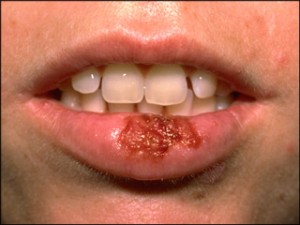 Many people assume that look-alike over-the-counter (OTC) medicines contain the same active ingredients as the more expensive brand name products. But that’s not always the case. Take lip medicines for example – many of their labels suggest that they treat cold sores (caused by the herpes simplex virus), but only one active ingredient has been proven to work. Docosanol is the active ingredient in Abreva, and has been approved by the FDA to shorten the duration as well as prevent the outbreak of cold sores (an estimated 20-40% of Americans are afflicted by cold sores).
In a recent survey (sponsored by Abreva), 66% of respondents said they believed that “look-alike” medications contained the same active ingredients as the brands that they were copying, and 93% said they purchased look-alikes solely because they were less expensive.
Unfortunately, you get what you pay for in this case. Even though the FDA may send out warning letters to manufacturers of look-alike products who print false healing claims on their packaging, those products often remain on store shelves. The manufacturer of Abreva (Glaxo Smith Kline) notes in a press release:
Several “look-alike” cold sore treatments tout healing claims, but contain the ingredient Benzalkonium Chloride instead of docosonal. The FDA recently issued a warning letter to a marketer and distributor of a product containing benzalkonium chloride that is making the claim on its product’s label that it heals cold sores. The FDA found that the active ingredient, benzalkonium chloride, is not indicated as a cold sore treatment and may not make cold sore healing claims because there is no scientific evidence to support claims that it heals cold sores.
Evidence suggests that Abreva shortens the duration of cold sores by about 18 hours, and may slightly reduce the risk of outbreak if the medicine is used at the first sign of pain or tingling. Whether that’s worth the price of the treatment is up to the consumer, but choosing a cheaper product with a different active ingredient is likely to be a waste of money.
The Abreva case serves as a reminder to check the active ingredients in your OTC medicines before purchasing what seems to be a cheaper, equivalent medicine. While generics are often a smart way to save money on effective medicines, look-alike medicines can sometimes be hiding fake cures in a convincing little package. Let the buyer beware!
June 20th, 2012 by Dr. Val Jones in Health Policy, Health Tips, News, Opinion
Tags: AMA, Big Gulp, Bloomberg, Carmelita Jeter, Coca Cola, Diet, Exercise, food, Health Insurance, Health Policy, Incentives, New York, Nutrition, Obesity, Overweight, smoking, Soda, Soda Tax
No Comments »
The American Medical Association (AMA) voted today to endorse taxation of sugary beverages as a means to raise money for anti-obesity programs. Interestingly, a recent physician survey at Medpage Today suggests that only 50% of physicians think that a soda tax is an effective public health strategy.
I am one of the 50% who feels that this policy will not be effective. In short, this is why:
1. You can become obese by eating and drinking almost anything in excess. Targeting sugary beverages is reductio ad absurdum. Did America become fat simply because of an excess supply of sugary fluids on grocery shelves? What about the super-sizing of our food portions, the change in workforce physical requirements, the advent of cars, escalators, healthy food “deserts” in poor neighborhoods, video games, and cutting gym class from schools?
Holding Coca Cola, et al. responsible for our own over-consumption of calories is both unfair and tantamount to spitting into the wind – something bad is going to come back at us. Consumers can easily get around the soda tax by buying sweet alternatives – which may have even more calories than soda. (Caramel latte anyone?) And then what? Are we really going to play public policy, food and beverage whack-a-mole?

Carmelita Jeter's Shopping Cart
2. You can be thin and fit while eating and drinking almost anything. Obviously nutrition science has shown that a diet rich in fresh fruits and veggies, lean meats, low-fat dairy, whole grains, and healthy fats is the best for our health. However, please consider that the world’s fastest woman, Olympian Carmelita Jeter, eats Hostess cup cakes, Teddy Grahams, Welch’s grape juice, whole milk, and Gatorade. How do I know? Because she posted a photo of her shopping cart on Twitter (see image to the left). I obviously have no idea how much of this she eats – or when she eats it – but if the world’s fastest woman is powered (to some degree) by “Twinkies” then I think we should all think twice about demonizing certain foods/beverages in our anti-obesity fervor.
3. You can’t regulate good behavior. Human behaviors that may lead to obesity are simply too complex to regulate. Who would want to live in a world where government becomes the de facto “Nutrisystem” for its citizens, mailing out pre-packaged, ingredient-controlled meals to 312 million people per day, three times a day, seven days a week? While that may save the post office from its imminent demise, we can neither afford to do that, nor do we need to.
People who believe that policy should drive behavior point to smoking bans that have cut down on smoking rates. While I agree that small improvements have been made in reducing smoking rates, roughly one in four people still smoke (depending on your source, this number could be as low as one-in-five), and one in every five deaths is still attributed to cigarette smoking. Hardly a resounding victory, alas.
But beyond the fact that policy changes (and the billions we’ve spent enacting and enforcing them) have resulted in a disappointing decrease in smoking rates, is the issue that cigarettes and food ingredients (such as sugar) are not analogous substances. While there is no safe minimum amount of cigarette smoke, our bodies need salt, glucose, and fat to survive. They cannot be cut out of our diet completely – nor should they. And the only way to force people to optimize their intake is to enact Draconian measures.
So instead of starting a food-fight, it’s important to accept the complexities associated with this particular health scourge and promote a broader, more-nuanced approach to wellness incentives. We have to attack this problem from the ground up, because a top-down approach requires our government to become an invasive, food and exercise nanny.
The good news is that one-third of Americans are not overweight or obese, despite our current “toxic” food/inactive lifestyle environment. Perhaps these thinner folks can be ambassadors for the rest of us, and reveal their secrets of healthy living despite our current limitations. Even with our best efforts, we need to understand that (like smokers) we will always have a segment of the population that is overweight or obese.
And as for the Olympians among us – they help to illustrate that obsessing over every morsel of food or cup of soda that we consume is not the way forward. Sorry AMA, I’m with Carmelita on this one.

Powered By Twinkies?














